GIMOS was building around a strong technical idea: digitize the relationship between users, products, and industrial processes in real time. The challenge was making that idea easier for the market to understand and trust.
GIMOS.tech sits at the intersection of manufacturing operations, Industry 4.0, and process intelligence. Its value proposition touches supply-chain efficiency, alerts, automation, and data-driven optimization, but without the right market framing that kind of platform can feel abstract to prospective buyers.
The organized portfolio assets strengthen the documented scope: NDA created both the brand identity system and the website experience, giving the platform a more coherent commercial face through Growth.
Translate technical capability into
a market-readable offer.
GIMOS needed more than awareness. It needed a clearer way to explain what the platform did, who it served, and why manufacturing teams should care. That meant identifying opportunity areas, understanding digital trends, and positioning the brand in language that connected with industrial decision-makers.
Without that translation layer, the platform risked being seen as interesting technology rather than a serious operational solution.
Research the category,
then build the brand and web system around it.
NDA supported GIMOS with digital market research, branding, social profile optimization, and a benchmark-informed website architecture. The portfolio materials show how that work carried through into logo design grounded in hexagonal geometry and circuit-board references, reinforcing the platform's technological identity.
Once the web map was approved, the team developed the site from the structural base through SEO-oriented optimization and responsive implementation for different devices. In parallel, NDA also supported the production of an institutional video so the company could explain the platform more effectively in presentations, outreach, and digital channels.
The work gave GIMOS a market-facing layer
that could explain the platform visually.
-

The identity system translated an Industry 4.0 concept into a cleaner brand language with enough structure for serious industrial buyers. -
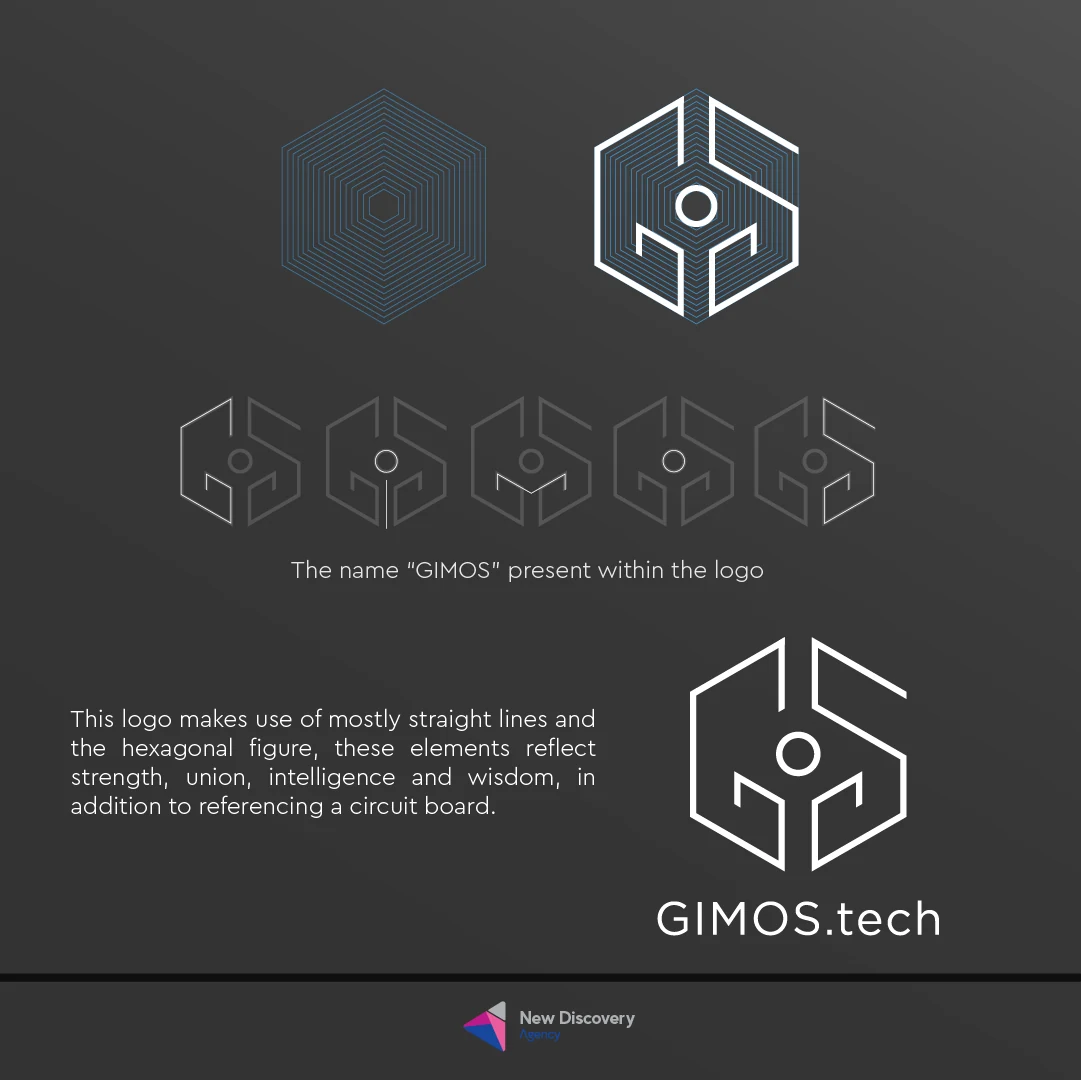
The logo argues for itself: a hexagon built from straight lines, the letters of the name hidden in its structure, and a circuit board as the reference an industrial-data company earns. -
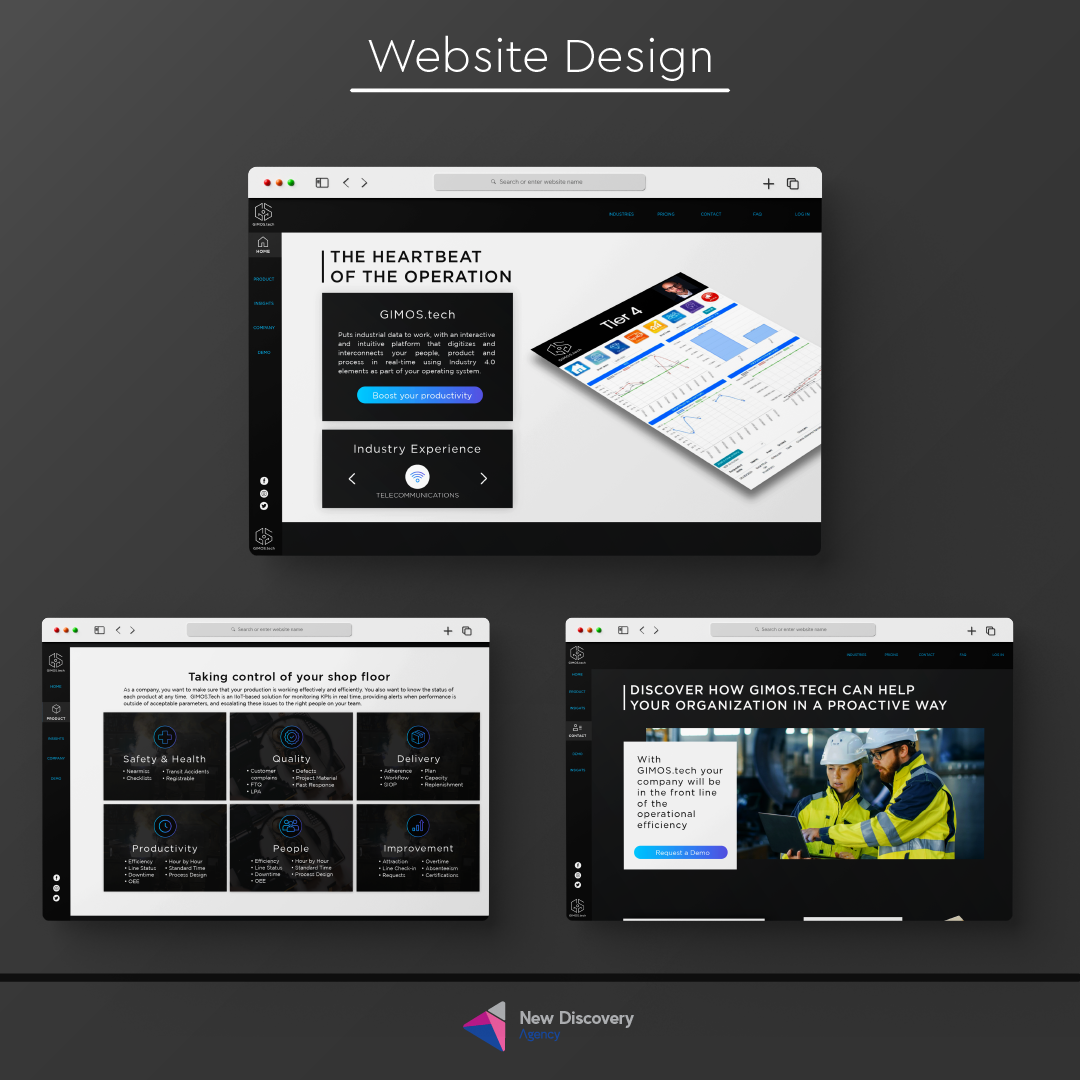
The website concepts organized complex product messaging into a more navigable and commercial digital experience. -
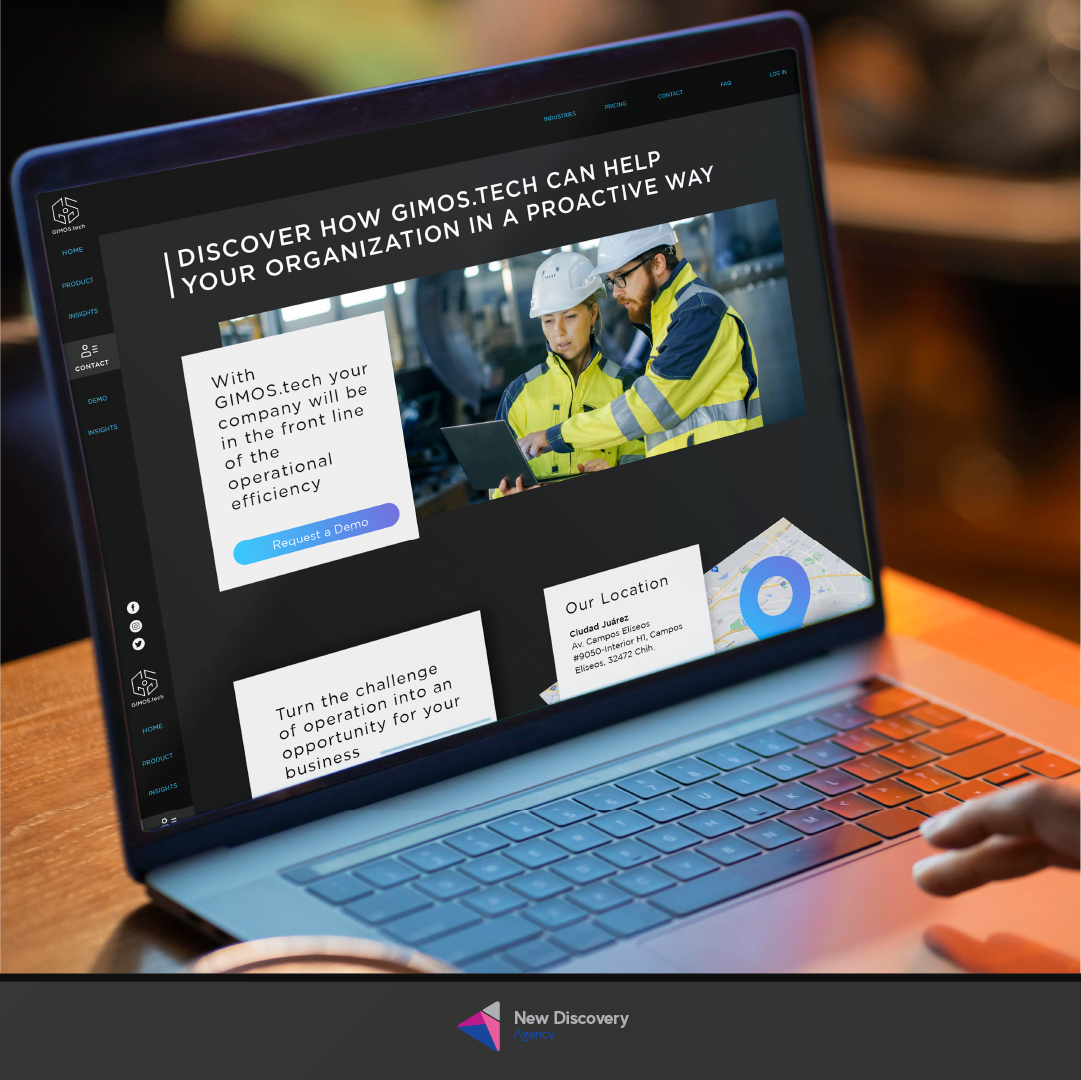
The homepage design shows how the brand, product explanation, and call-to-action logic were brought together in one surface.
Slide 1 of 4
A stronger digital layer for a platform
that needed market clarity.
The engagement gave GIMOS a more coherent public-facing presence, from brand logic and social channels to web architecture and institutional storytelling. That matters in software-adjacent industrial categories where the market needs confidence before it can even begin evaluating the product.
The case also connects to NDA's broader work helping industrial organizations present complex offers with more clarity, as seen in other manufacturing and operations case studies.
The metrics matter because they show
whether the new platform was being discovered.
-
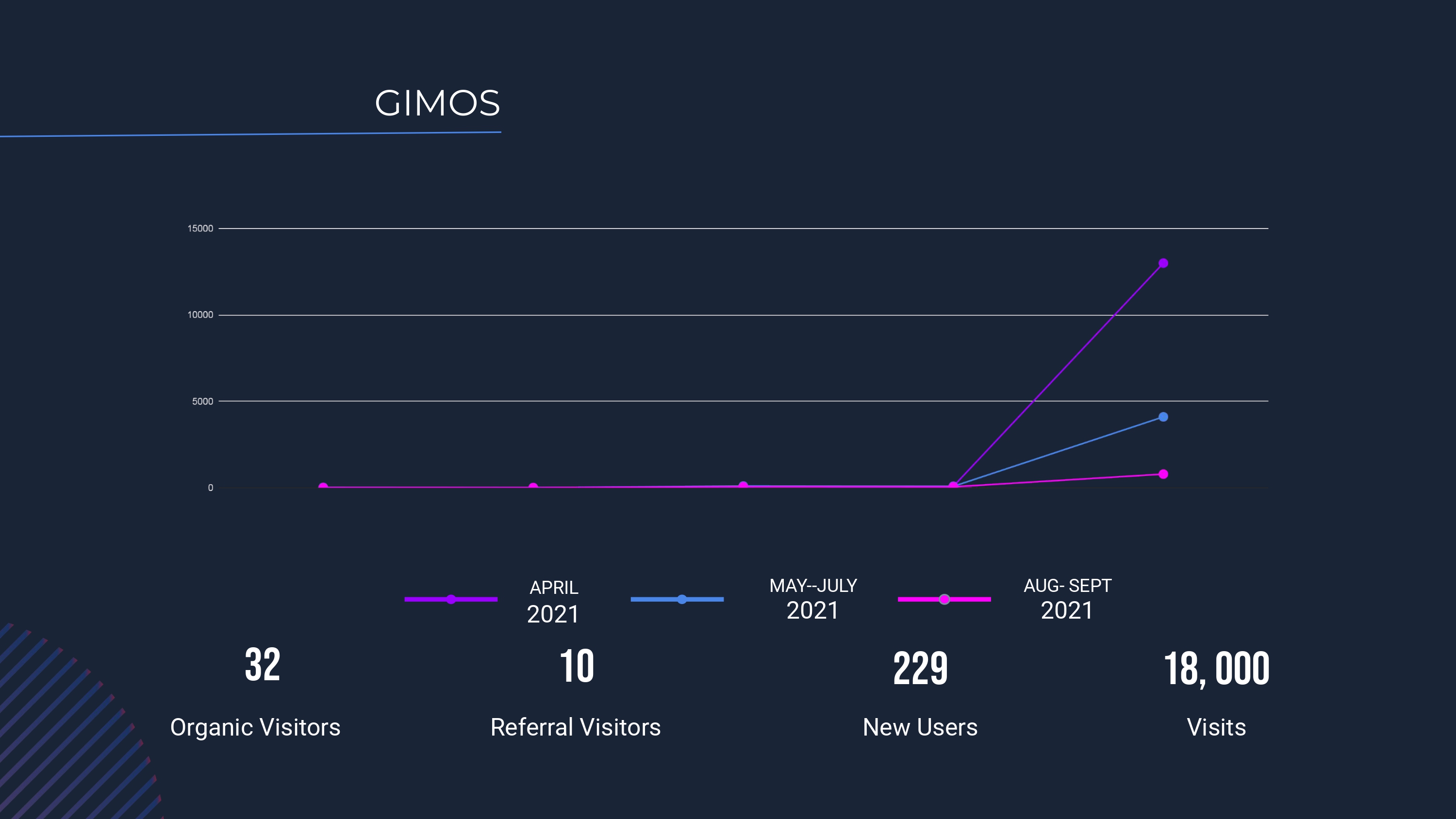
Web metrics helped validate that the improved structure and positioning were producing a more active digital footprint.
For a technically complex product, visibility and comprehension move together. The site only becomes commercially useful once the market can actually find and understand it.
Institutional video
used to explain the platform.
What this engagement reveals
about NDA capabilities.
This project shows NDA's ability to help technically complex products become commercially legible. The core work was not dumbing the platform down. It was building the strategic interface between product sophistication and buyer comprehension.
That combination of research, brand, site strategy, and video is especially useful for industrial and B2B offers that are strong operationally but underdeveloped in the market-facing layer.