Where this service fits.
Field operations, training, and public installations often rely on guidance that's disconnected from where the work actually happens. Augmented reality closes that gap — bringing contextual data, decision support, and interactive guidance into the physical environment, without removing people from it.
What it is.
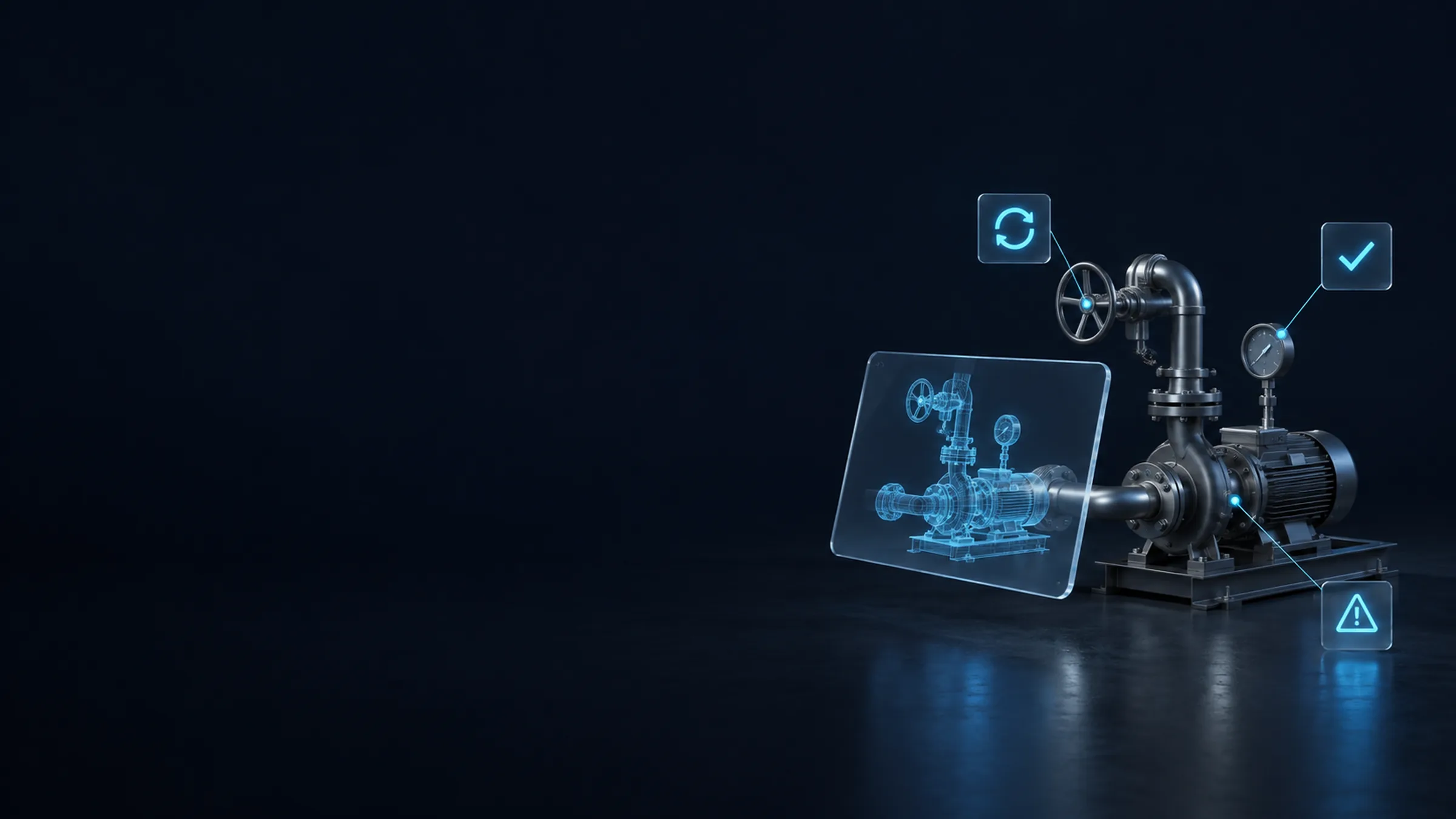
Augmented reality places digital content on top of the real world through phones, tablets, or headsets. It is useful when people still need to see their physical environment while receiving guidance, interpretation, or interactive layers.
How it differs.
AR vs. VR
Choose augmented reality when the real environment still matters. Unlike virtual reality, AR does not replace the world around the user, it adds information to it.
AR vs. MR
AR is usually the lighter, more accessible deployment path. Mixed reality becomes more relevant when digital objects need deeper spatial persistence, interaction, or collaborative use.
Operational problems this solves.
Important context lives outside the environment where people need it
Public and institutional experiences feel static instead of interactive
Training needs live guidance without removing people from the field
Organizations need spatial communication without building a full VR stack
What NDA delivers.
Mobile and headset AR experiences
Public-facing cultural and museum applications
Training overlays and guided interactions
Spatial content production and capture
Deployment planning for real-world use
Why organizations buy it.
More legible physical environments
Stronger learning and interaction
Longer life for institutional content
Better public or operator engagement
Why it matters for growth.
Lower hardware friction than fully immersive deployments because mobile devices can often carry the experience
Stronger dwell time and engagement in museums, exhibits, and public-facing installations when static interpretation becomes interactive
Useful for training and field support because guidance can appear in-context instead of in a separate manual or classroom
Growth opportunities.
Turn physical spaces into discoverable digital experiences that attract visits, press, and repeat engagement
Extend training into the live environment so operators learn where the work actually happens
Create sponsor, exhibit, tourism, or institutional content layers that continue generating value after launch
Best fit.
Museums, civic projects, and cultural institutions building public interfaces
Teams that need guided learning in a live environment
Organizations extending physical spaces with digital interpretation