Johnson & Johnson needed a way to keep personnel training practical and credible even when in-person instruction became harder to rely on.
Johnson & Johnson faced a specific operational challenge during the Covid period: how to continue induction and procedure training without depending on traditional in-person learning formats for every step.
Innovation addressed that with an augmented-reality training application designed to guide staff through procedures in a safer and more autonomous way. The point was not novelty. It was to preserve training quality under constraint.
Preserve effective training while reducing
dependence on physical presence.
The project needed to remain practical. A purely theoretical or passive format would not be enough for personnel responsible for critical procedures. The training system had to feel realistic, guided, and usable under conditions where conventional instruction was harder to scale.
Without that, training quality could fall, error risk could rise, and the organization would have less confidence in staff preparedness.
Use AR, 3D simulation, and guided UX
to support more autonomous learning.
Innovation proposed a custom augmented-reality application for iOS devices that could guide personnel through specific medical procedures in a visually structured environment. The solution included realistic 3D modeling, UX/UI development for clear navigation, and performance-tracking logic to support continuous improvement.
That made the work more than a visual demo. It created a repeatable training framework that could help staff understand steps more clearly, practice with more confidence, and reduce dependence on the same level of in-person instruction.
The product proof matters because it shows
the system working in front of real users.
-
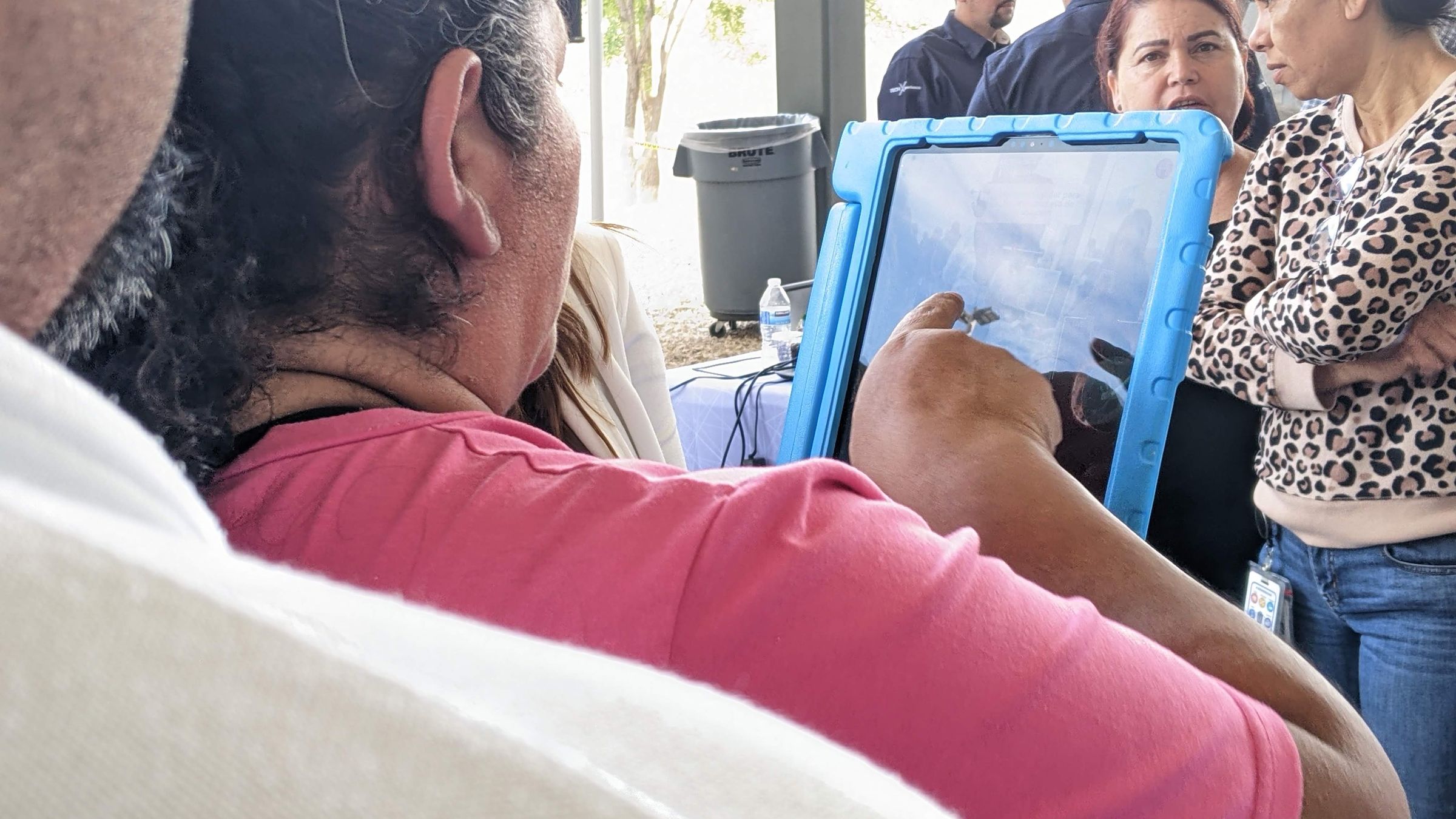
The tablet demo makes the training format tangible. Instead of describing AR abstractly, the image shows users interacting with the learning layer directly. -
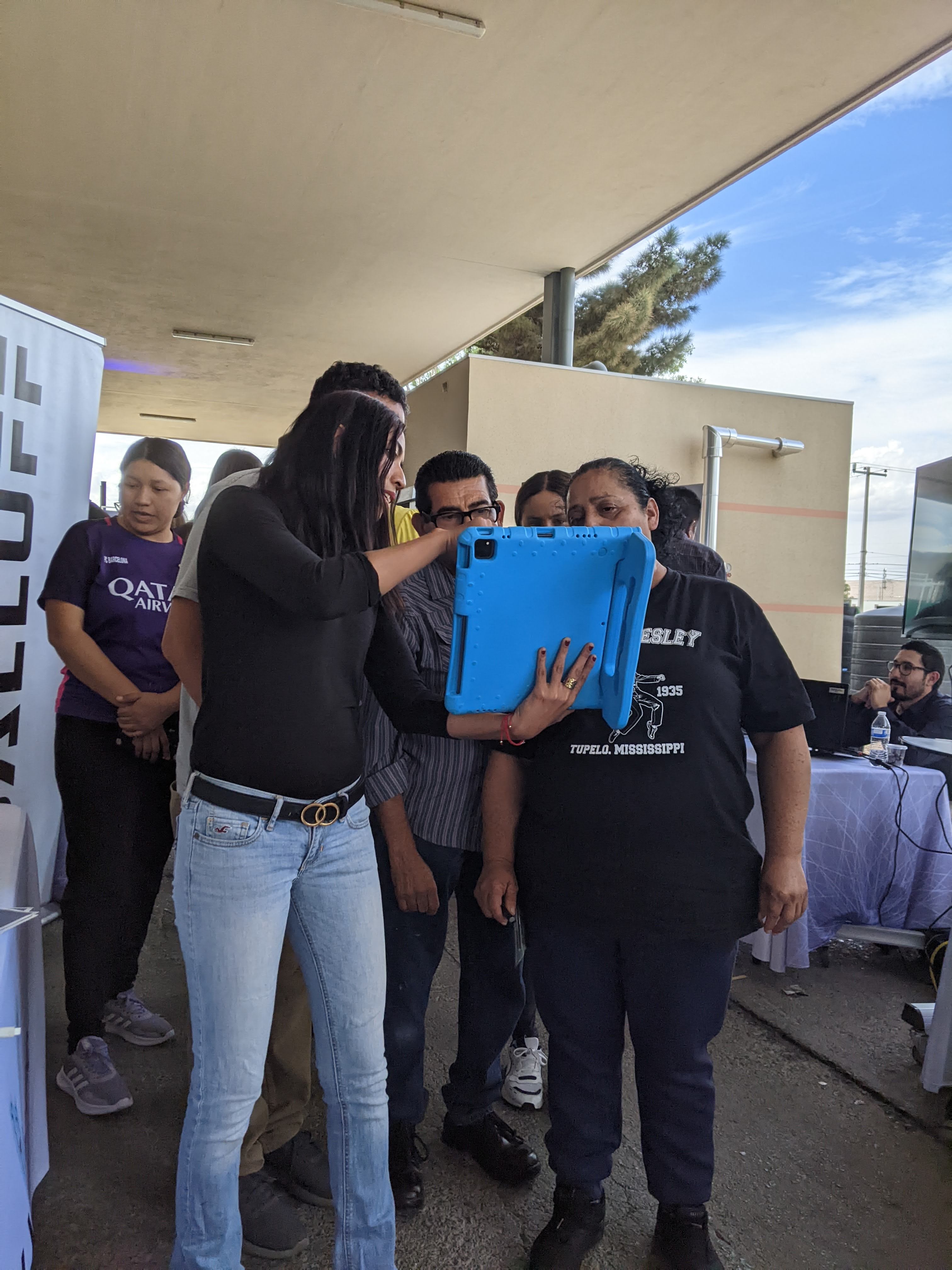
Guided demonstration frames support the case’s emphasis on safer induction and clearer procedure walkthroughs during a constrained period. -
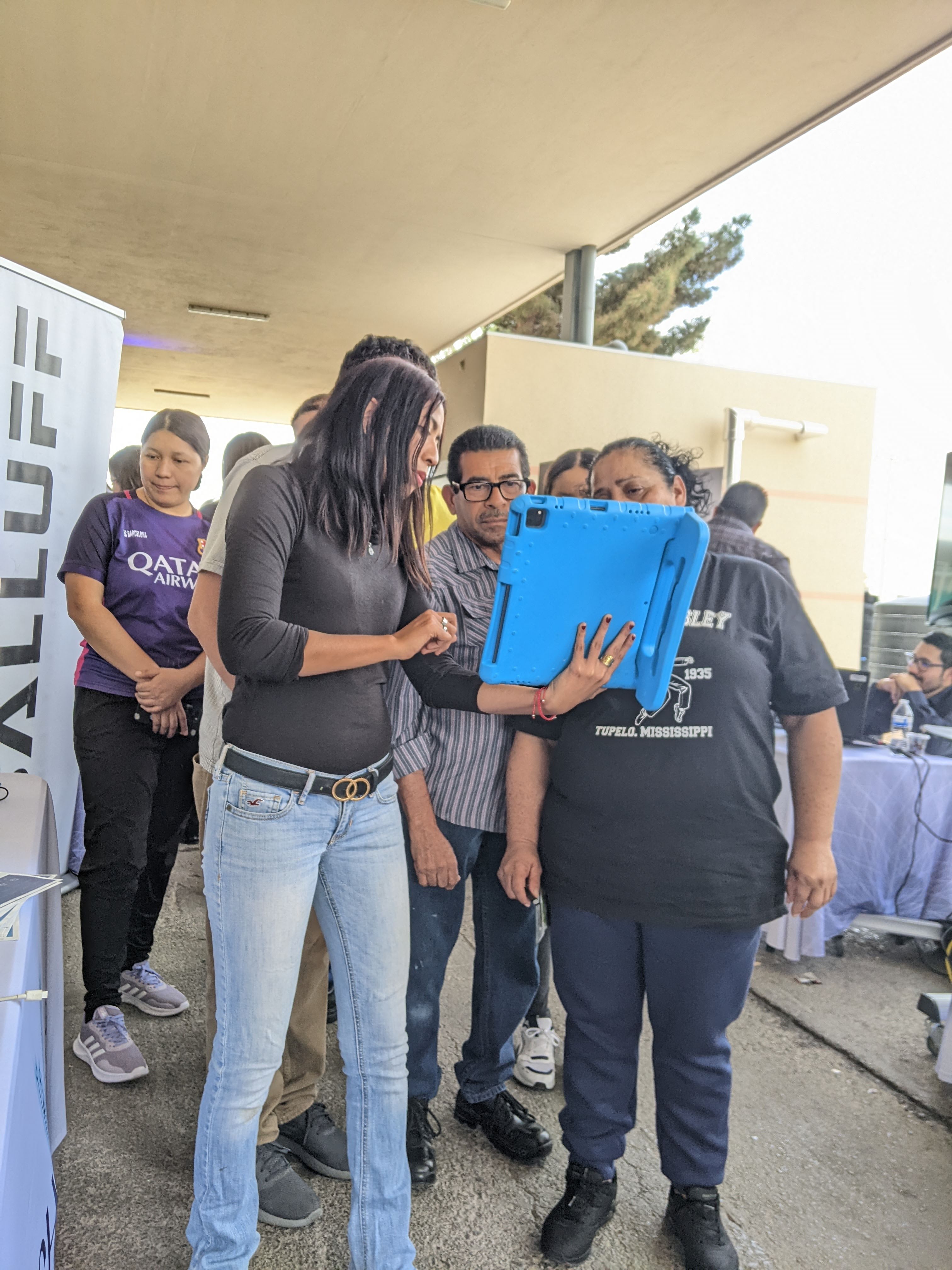
The group-use image reinforces the operational point: the solution was built to help multiple participants learn in a structured, repeatable way.
Slide 1 of 3
A stronger training model for improving
confidence, consistency, and safety.
The solution was tied to improved personnel efficiency, fewer errors, greater confidence, and a more cost-efficient alternative to fully in-person instruction. Whether viewed as onboarding support or procedure reinforcement, it gave Johnson & Johnson a stronger digital learning layer during a high-constraint period.