CANACO Ciudad Juárez held its second Technology and Artificial Intelligence Forum on November 5, 2026. The forum also marked the reopening of the city's IA Center, which hosted it.
The forum is run by the chamber's specialised section for technology and AI, chaired by Liz Pasillas, New Discovery Agency's co-founder. In her account of the day on LinkedIn, she describes the room it brought together: business owners, entrepreneurs, officials, academics and technology companies, there to share what they have learned about putting technology to work in a business.
On the panel: the real hurdles of implementing AI
The panel, Diálogos para la Eficienc[IA], put four practitioners side by side on the problems companies run into when they implement technology and AI: Rafael Rucobo of HumanTek, Javier Venegas of SIAPRO, Daniel Ayala of Ayala Digital, and Jonalex Herrera of New Discovery Agency.
Herrera's part was about readiness: what a company needs in place before AI can do useful work for it. His answer was process documentation. An AI system only knows what it is given, so in AI terms documentation is context. When a company's processes live in people's heads, or in a manual nobody has updated, an AI tool has nothing to work from and fills the gaps by guessing. Writing down how the work really gets done, step by step and with its exceptions, is the first step toward AI, and it is useful work even if no tool comes after it.
He also argued that specialised middleware is a realistic project for a company that already runs on several apps. Most of them, he pointed out, already have an API or an MCP server, the standard way AI models connect to other software. That lets a company link the CRM, ERP, inbox and spreadsheets it already uses, with an AI layer in between, without replacing any of them.
His last point was privacy. To the untrained eye, he said, using a frontier model through a polished app gives an illusion of privacy: the conversation feels private, but the data leaves the company and is processed on the provider's servers, under the provider's terms. For sensitive information he pointed to local LLMs, models that run on the company's own hardware, so the data stays in the building. Tomás Orozco's master class covered the same ground from the infrastructure side.
The rest of the program
Orozco, of MTnet, spoke on running AI locally, high-density infrastructure and cybersecurity. Juan Carlos Galán Márquez of Dell Technologies gave a talk, Tecnología que transforma, on technology and business competitiveness. A technology showroom let attendees talk directly with MTnet, Dell Technologies, SIAPRO, HumanTek, New Discovery Agency, MachinnoX, Ayala Digital, CONAFI and the chamber itself.
At its showroom table, New Discovery Agency played videos of its work with AI-ONE, AI automation and AI middleware, and of AR, VR and MR training for manufacturing, along with its take on the one-person company of the future.
Who made the second edition possible
MTnet and Dell Technologies signed on as strategic partners for this edition. Tania Maldonado, director general of Economic Development, attended alongside a representative of Chihuahua governor Maru Campos. Omar Saucedo, who leads Microsoft TechSpark for the eastern United States, was also in the room. CANACO's training team coordinated the event.
Pasillas closed her account with what the section is after: beyond talking about technology, a place where the people who build it, the people who implement it and the businesses looking to grow can find each other.
-
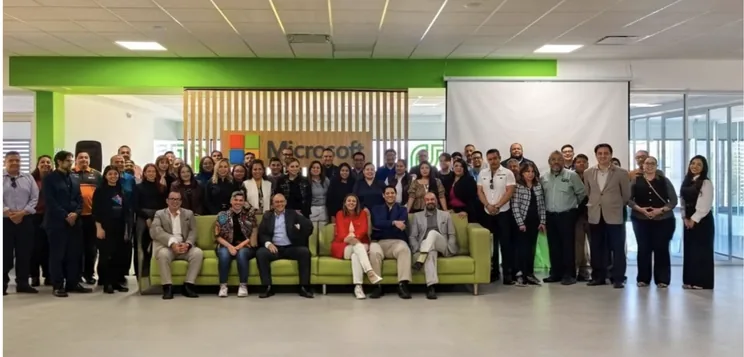
Forum participants at the IA Center, Ciudad Juárez, November 5, 2026. -
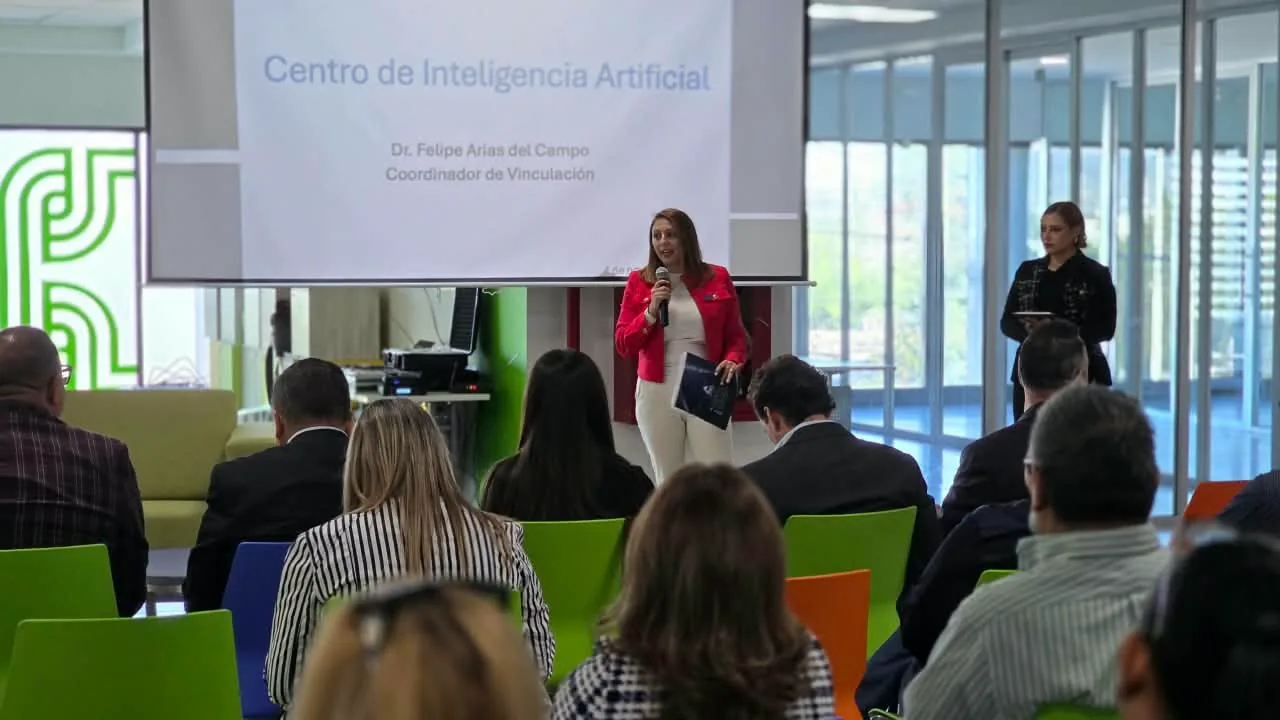
Liz Pasillas, chair of CANACO's Technology and AI section, opens the forum. -
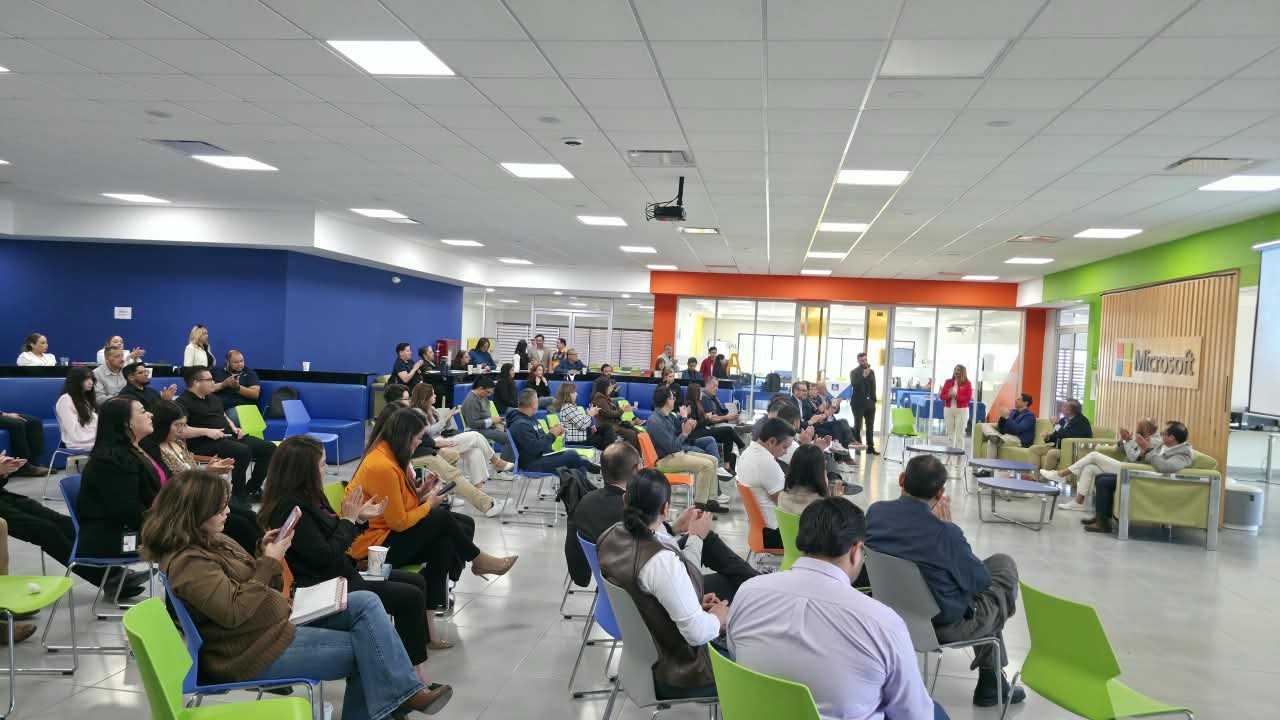
The panel Diálogos para la Eficienc[IA]. -
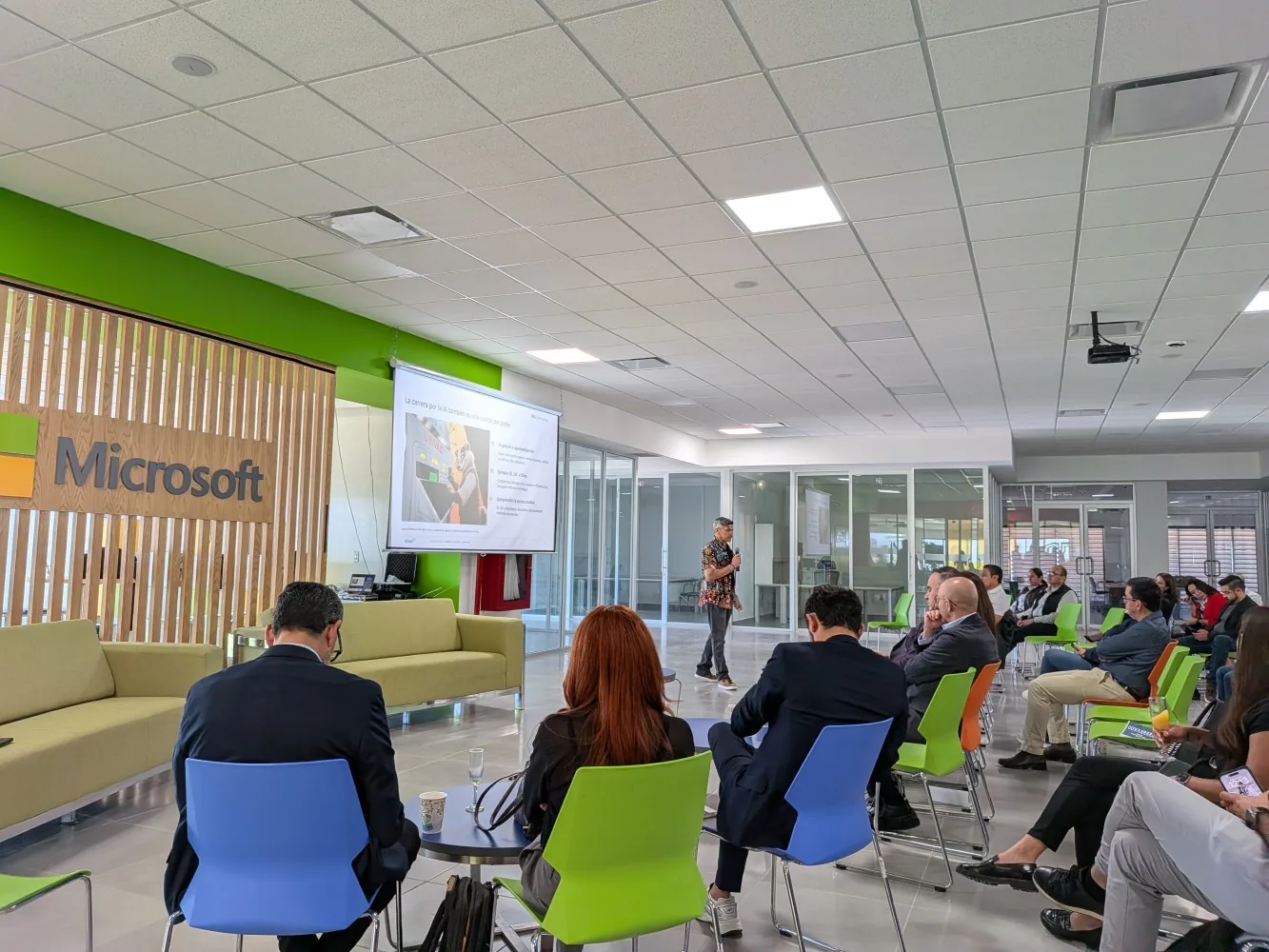
Tomás Orozco of MTnet during his master class. -
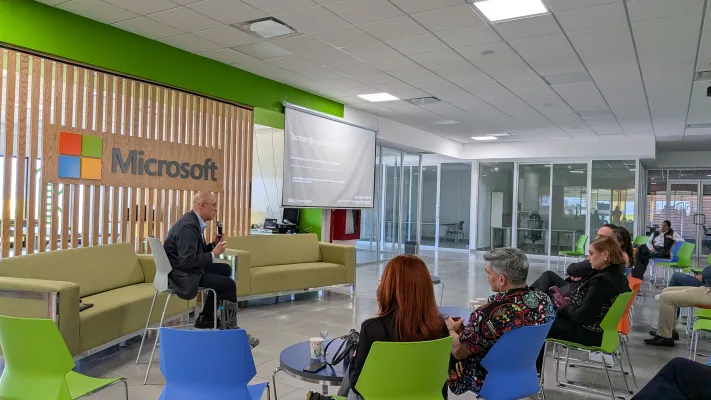
Juan Carlos Galán Márquez, sales director at Dell Technologies. -
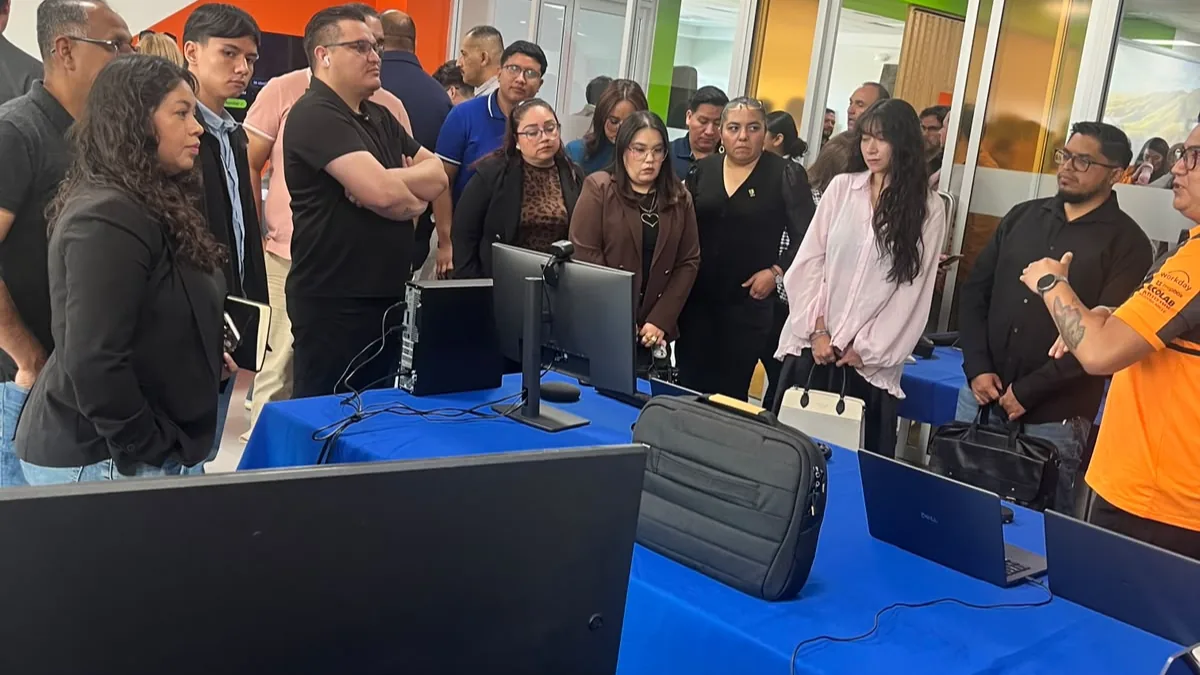
Dell Technologies' table in the Technology Showroom. -
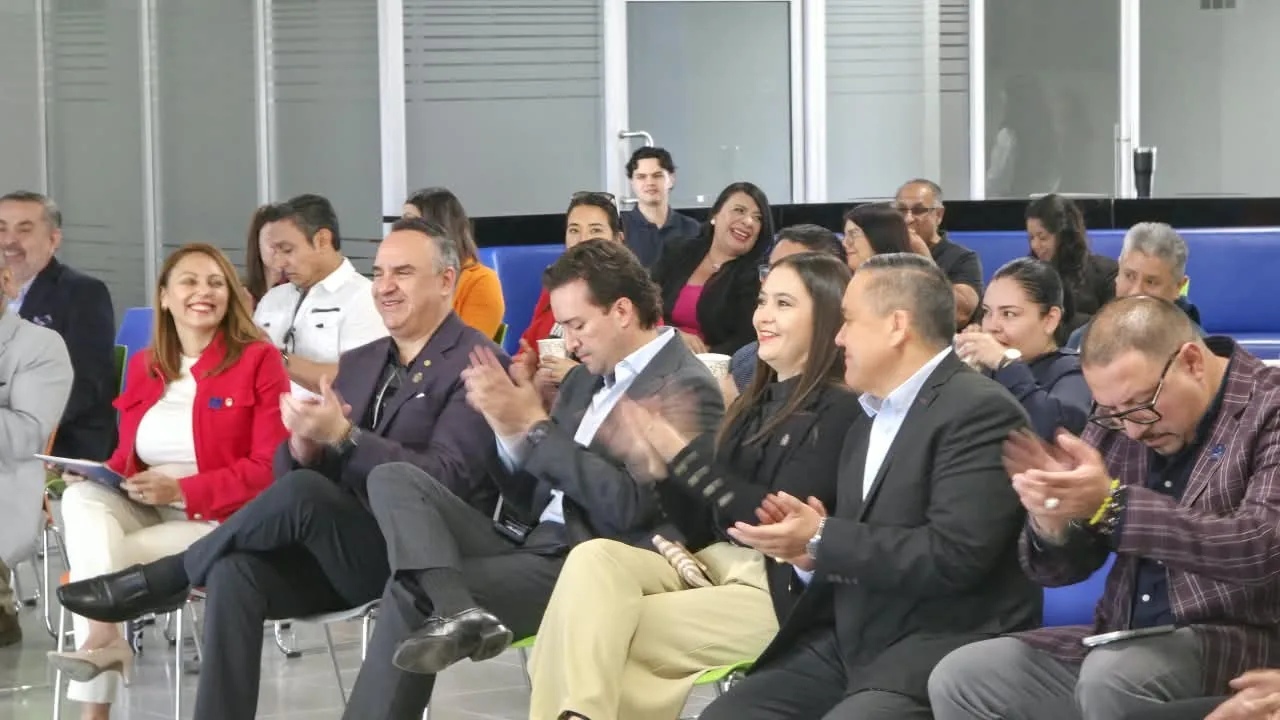
Authorities in the audience. -
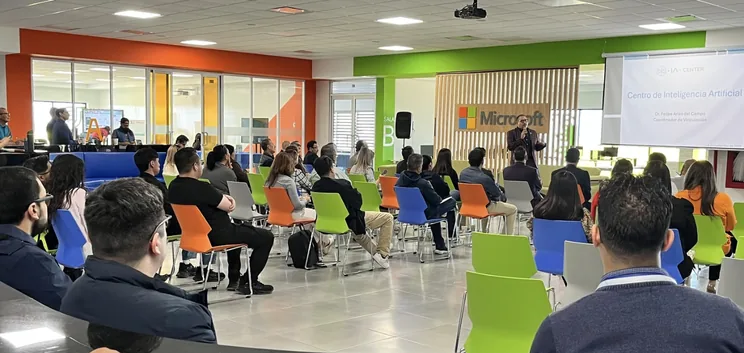
Iván Pérez, president of CANACO Ciudad Juárez. -
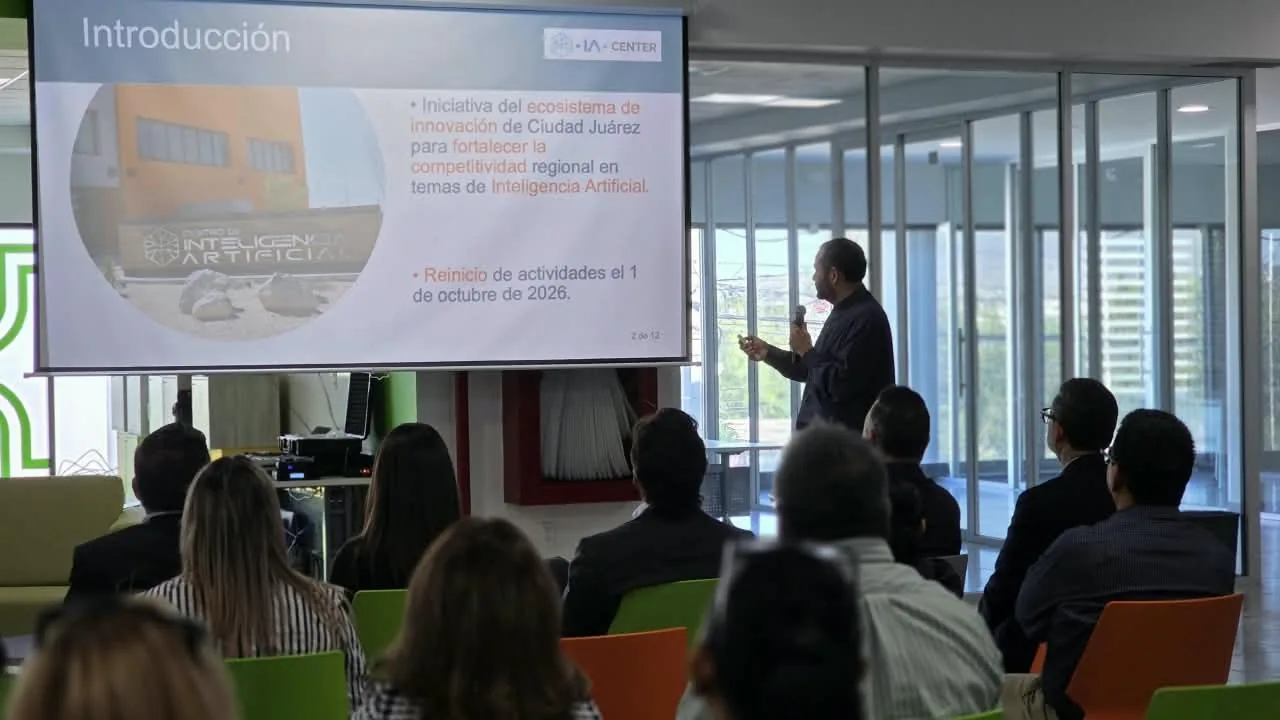
Dr. Felipe Arias, liaison coordinator at the IA Center. -
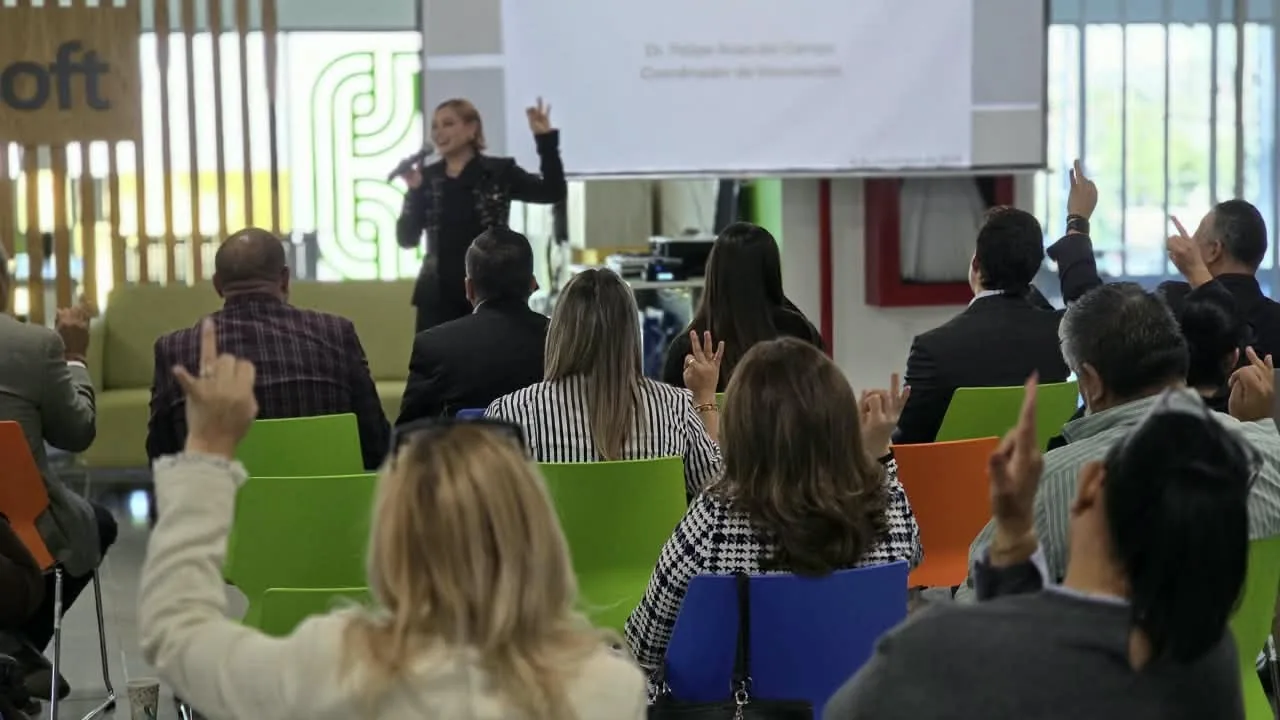
Perla Mayte Tarín, master of ceremonies. -
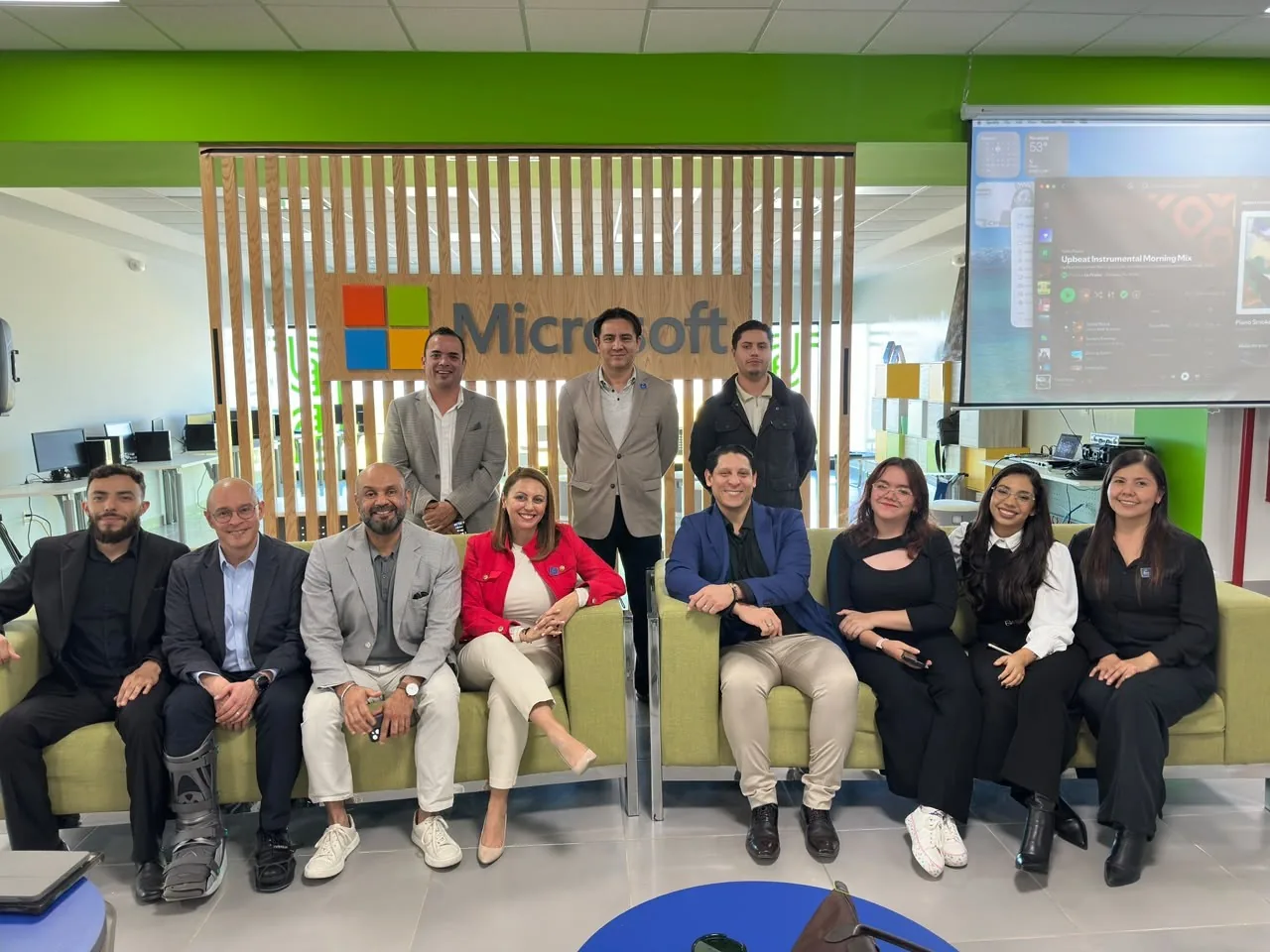
CANACO's Technology and AI section and training team, with MTnet and Dell Technologies. -
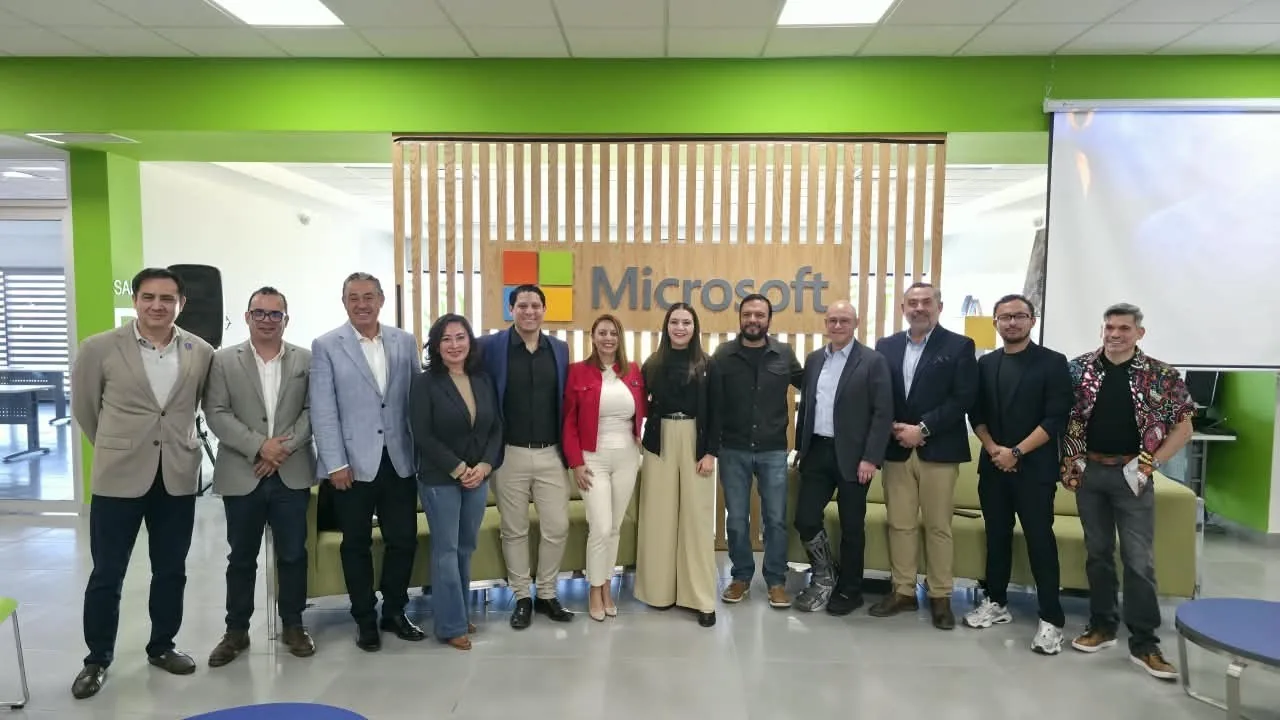
Group photo at the IA Center.
Slide 1 of 12