Where this service fits.
Remote collaboration loses fidelity when it's reduced to screen shares. Mixed reality keeps digital and physical in the same space — enabling real-time collaboration, spatial design review, and live data visualization with the full context of where the work actually happens.
What it is.
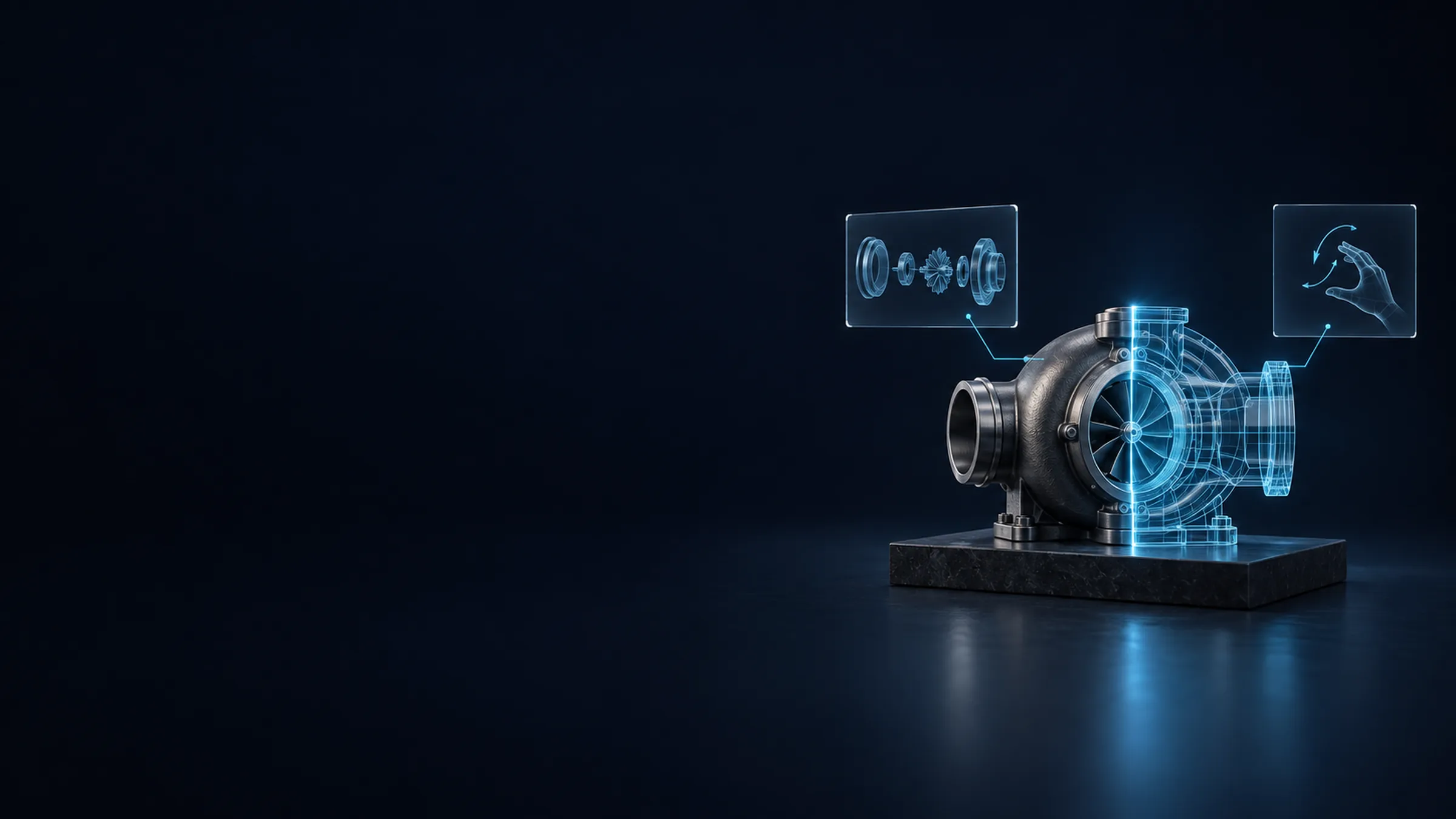
Mixed reality blends digital content with the physical environment in a more spatially aware way than standard augmented reality. It is useful when digital objects need to feel anchored, interactive, and relevant to live operational context.
How it differs.
MR vs. AR
Choose mixed reality when the interaction has to go beyond overlays. MR is better when teams need spatially aware objects, persistent context, or more advanced collaboration in-place.
MR vs. VR
MR keeps users connected to the real environment while introducing digital elements. VR is still the stronger fit when the entire world can be simulated from scratch.
Operational problems this solves.
Teams need digital guidance without leaving the live environment
Collaboration breaks when physical context cannot be shared clearly
Operational information is too abstract for spatial tasks
Projects need continuity between simulated content and physical use
What NDA delivers.
Blended physical-digital training experiences
Spatial collaboration and review layers
Operational interfaces tied to live environments
Digital-twin communication contexts
Systems thinking around real deployment constraints
Why organizations buy it.
Better collaboration across physical context
More usable spatial information
Stronger operator understanding
Greater continuity between simulation and real work
Why it matters for growth.
Particularly valuable for collaboration and operational guidance because the physical environment remains visible
Useful where digital twins, review workflows, or live decision support depend on real spatial context
Can shorten interpretation time when teams need to understand physical systems through spatial information instead of flat dashboards
Growth opportunities.
Support field, operations, and technical teams with in-context information that improves decisions on site
Create spatial review and collaboration workflows for design, maintenance, and digital-twin communication
Bridge simulation and real-world application for organizations exploring next-generation operational interfaces
Best fit.
Operational teams working across live environments and digital layers
Projects that need collaborative review tied to spatial context
Organizations exploring digital-twin communication or blended interfaces