Ruta Norte approached migration through empathy, testimony, and immersive storytelling rather than distant reporting.
Ruta Norte: Border Identity emerged as a flagship social-impact project that documented migrant stories with depth and sensitivity. The work used film and immersive narrative methods to reduce emotional distance between communities and help audiences encounter migration through lived human experience.
The project stands apart from standard branded media because its purpose was cultural understanding. It was built to sustain reflection, not simply attention.
For the earlier editorial framing of the project, see Telling migrant stories: New Discovery Agency's Ruta Norte, which preserves how the work was explained while still in development.
Tell migration stories with enough care
to deepen empathy rather than flatten it.
Migration is often discussed abstractly. Ruta Norte needed to present these stories in a way that preserved their human reality and helped audiences connect across cultural and geographic distance.
That meant the format had to be emotionally credible. The production could not rely on generic exposition. It needed interviews, visual language, and immersive elements strong enough to sustain reflection and public resonance.
Use film production and immersive narrative tools
to build a bridge across communities.
NDA’s role included interview production in Ciudad Juarez, behind-the-scenes documentation, and post-production shaped around the strongest stories. Virtual-reality technology was used to create stronger sensory and emotional proximity for viewers.
That combination allowed Ruta Norte to function as cultural storytelling, community reflection, and a broader invitation to see migration through a more human lens.
The production evidence matters because
Ruta Norte was both a film project and an immersive public experience.
Public coverage from the Museo de Arte de Ciudad Juárez and INBA also documented the project as a real cultural event, which strengthens the case's proof layer: El Museo de Arte de Ciudad Juárez presentará Ruta Norte: Identidad Fronteriza.
-
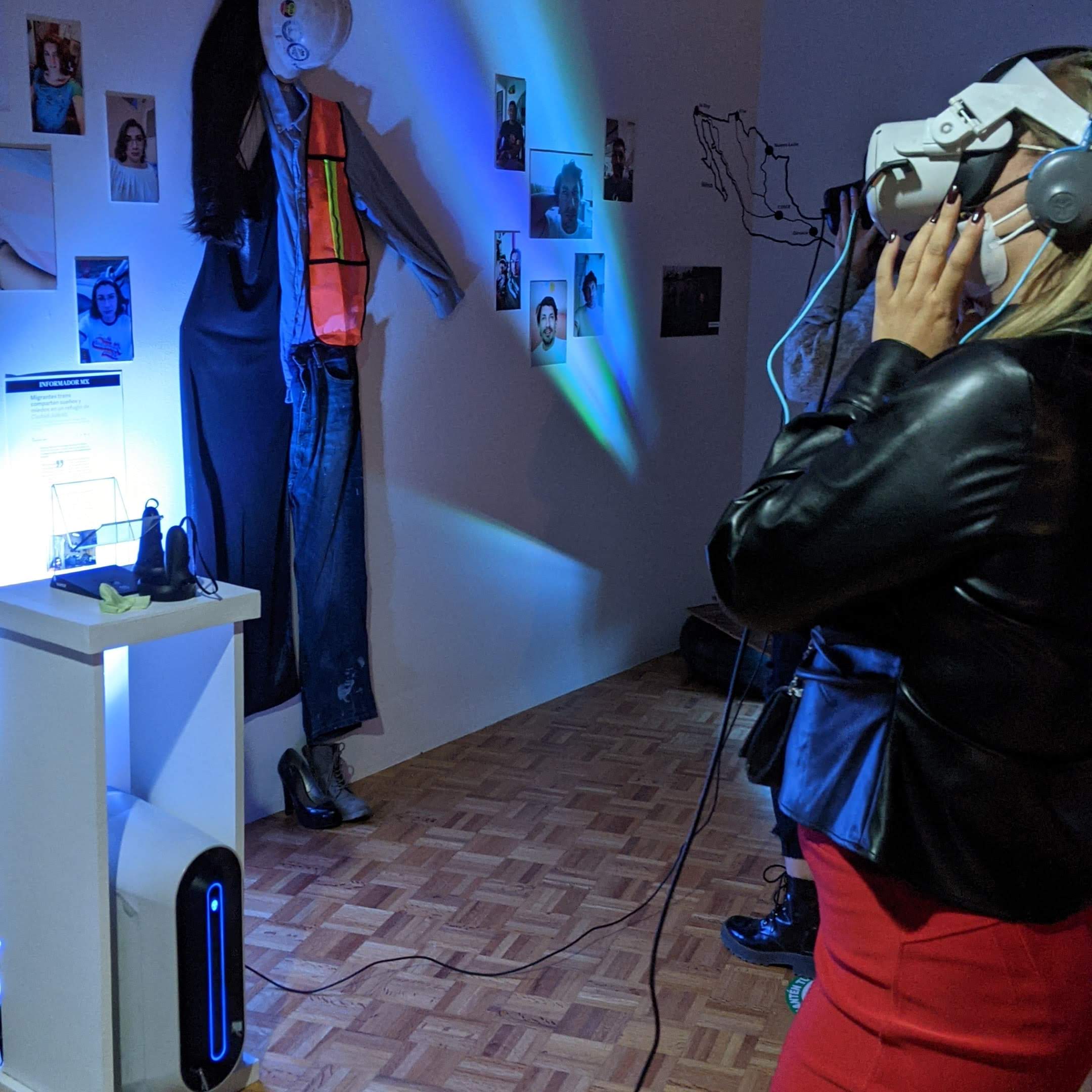
The installation view makes the immersive layer concrete. This was not only a documentary release, but a designed environment that helped viewers encounter migration stories more directly. -
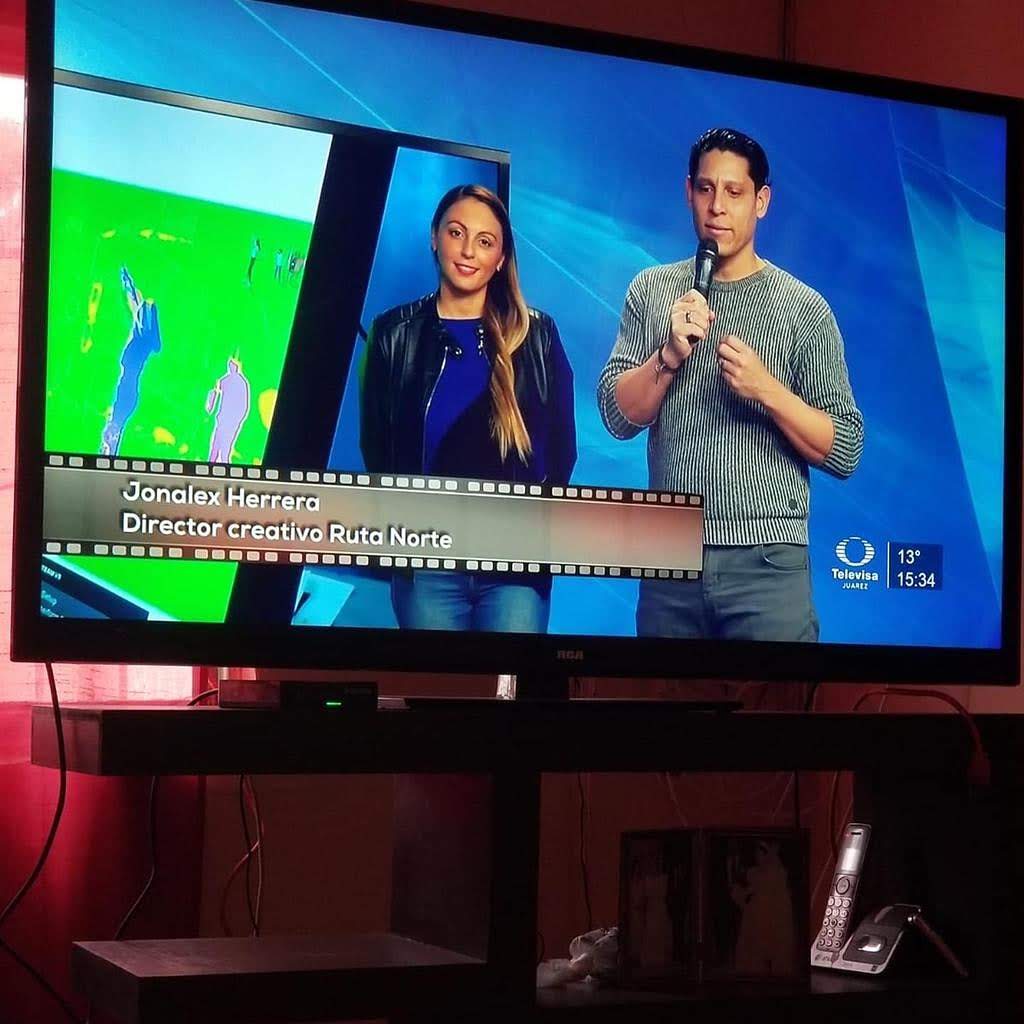
Broadcast coverage shows the project reaching public conversation beyond the gallery or screening context, which fits the case’s social-impact objective. -
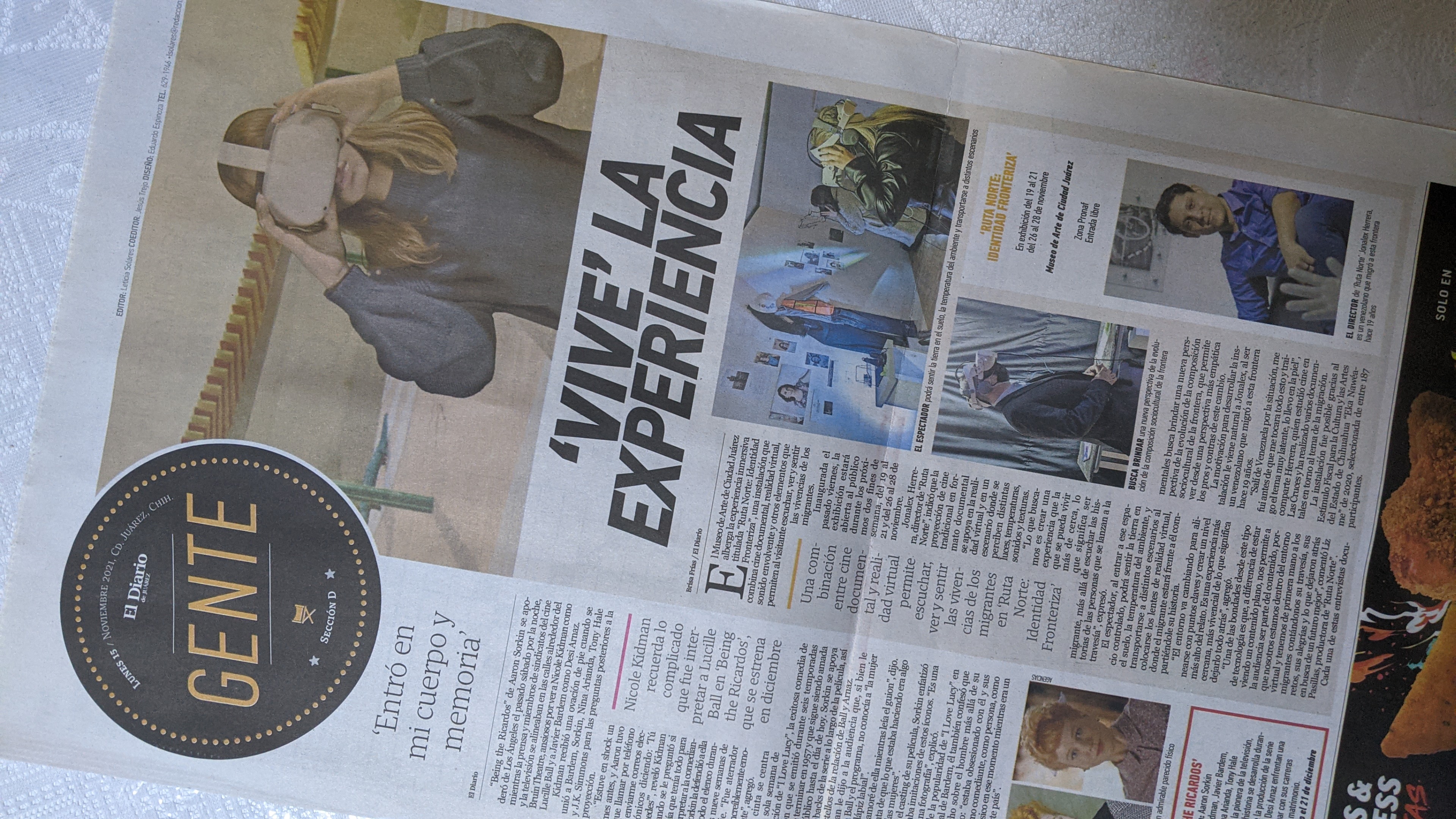
Press documentation supports the case’s claim that the work became a visible cultural reference point rather than a private internal production.
Slide 1 of 3
The moving-image record matters here because
the project lives as a body of testimony, not a single clip.
A documentary project that helped transform
migration into a shared human conversation.
The project became a lasting reference point in social storytelling because of both innovation and sensitivity. Its impact came not from scale metrics alone but from how effectively it illuminated the human side of migration.