The AI Fluency Program was built to do more than introduce AI concepts. It had to create usable confidence across teachers and students, in a format that could show capability growth quickly and visibly.
NDA designed the program around applied learning instead of passive exposure. Participants moved through structured workshops, tool exploration, guided exercises, and build-oriented sessions that pushed them toward usable outputs rather than abstract familiarity.
The delivery model mattered because it trained students and teachers in parallel. That reduced the usual handoff problem where a program excites one audience but fails to create institutional continuity after the cohort ends.
It also mattered that the program did not sit under one banner alone. The work connected Frente Norte, FICOSEC, SIDE, Desarrollo Economico de Ciudad Juarez, and CECyTECH around one practical objective: move AI from abstract conversation into institutional capability.
The program worked because it was carried by a coalition,
not by one logo alone.
These cards are structured so final partner logos can be dropped in without changing the layout.
Train mixed cohorts.
Still produce visible outcomes.
The program had to work across different starting points, technical comfort levels, and institutional contexts. Students needed enough structure to build quickly. Educators needed enough understanding to continue the work, support participants, and interpret AI as an operating tool rather than a novelty.
That ruled out a lecture-heavy model. The program needed evidence of transfer at every stage: workshop activity, participant responses, and an end-state stronger than simple attendance.
It also needed to make sense for organizations with different agendas. Civic actors, education leaders, and development organizations could all agree on the need for AI readiness, but the program still had to deliver one coherent operating experience instead of becoming a diluted consensus document.
Applied from day one.
Structured for continuation.
Innovation organized the cohort around practical fluency: understanding what AI tools are good for, using them against real needs, and making the outputs discussable in educational settings. The program balanced facilitation, curriculum design, and guided experimentation so the work would feel actionable instead of theoretical.
The two-environment delivery visible in the field material matters here. It shows the program was not trapped in a single classroom format. It could adapt to different educational spaces while preserving one learning standard.
That structure is what made the program useful to the broader AI Training and AI Consulting conversation. The cohort was not only about exposure. It was designed to leave behind a stronger institutional vocabulary, clearer facilitation patterns, and a more realistic understanding of how AI can be used inside education and workforce-building environments.
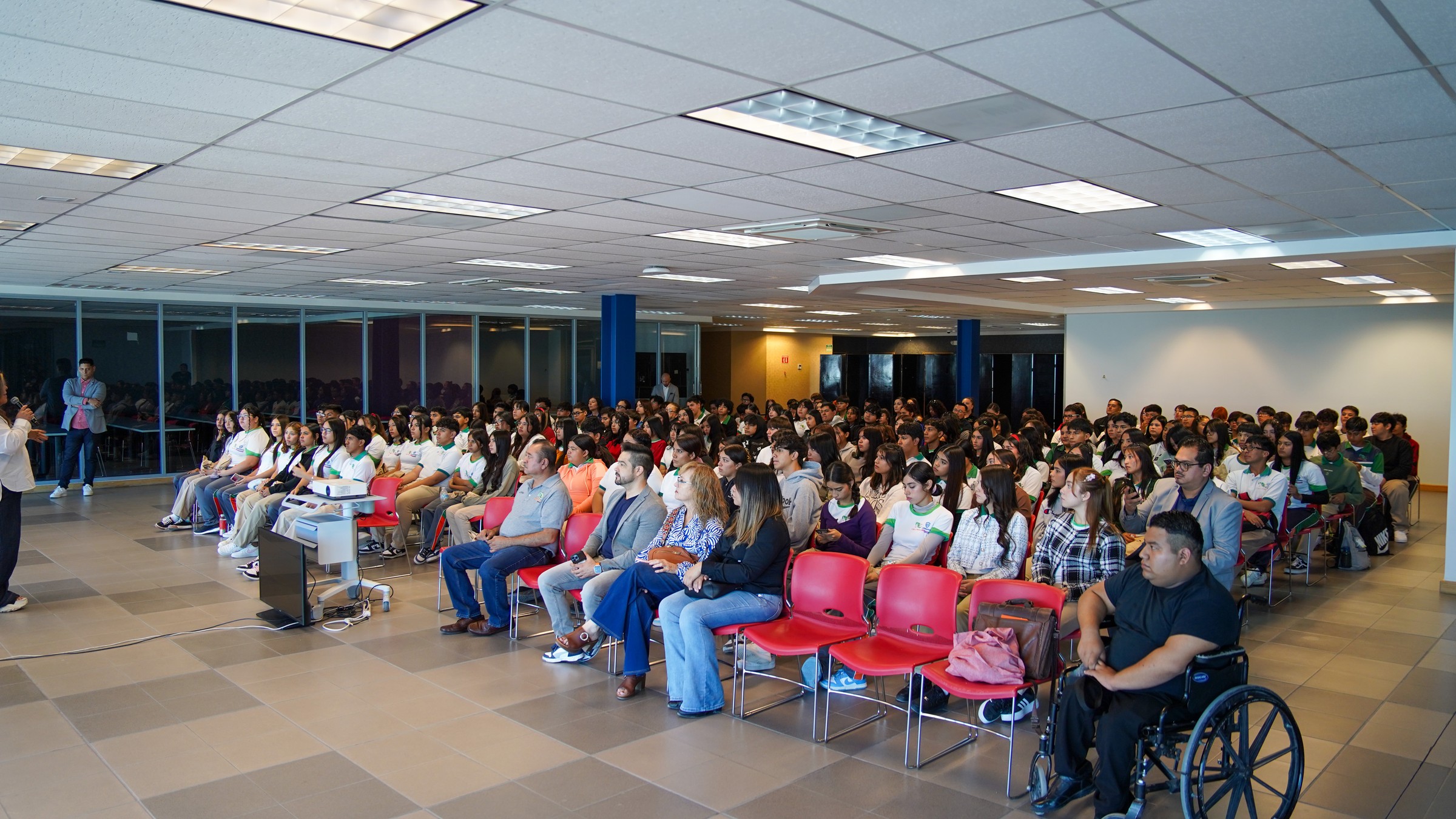
The images matter because they show
a real learning environment under way.
-

Session-wide classroom views make the cohort scale legible. This was organized delivery, not an isolated pilot conversation. -
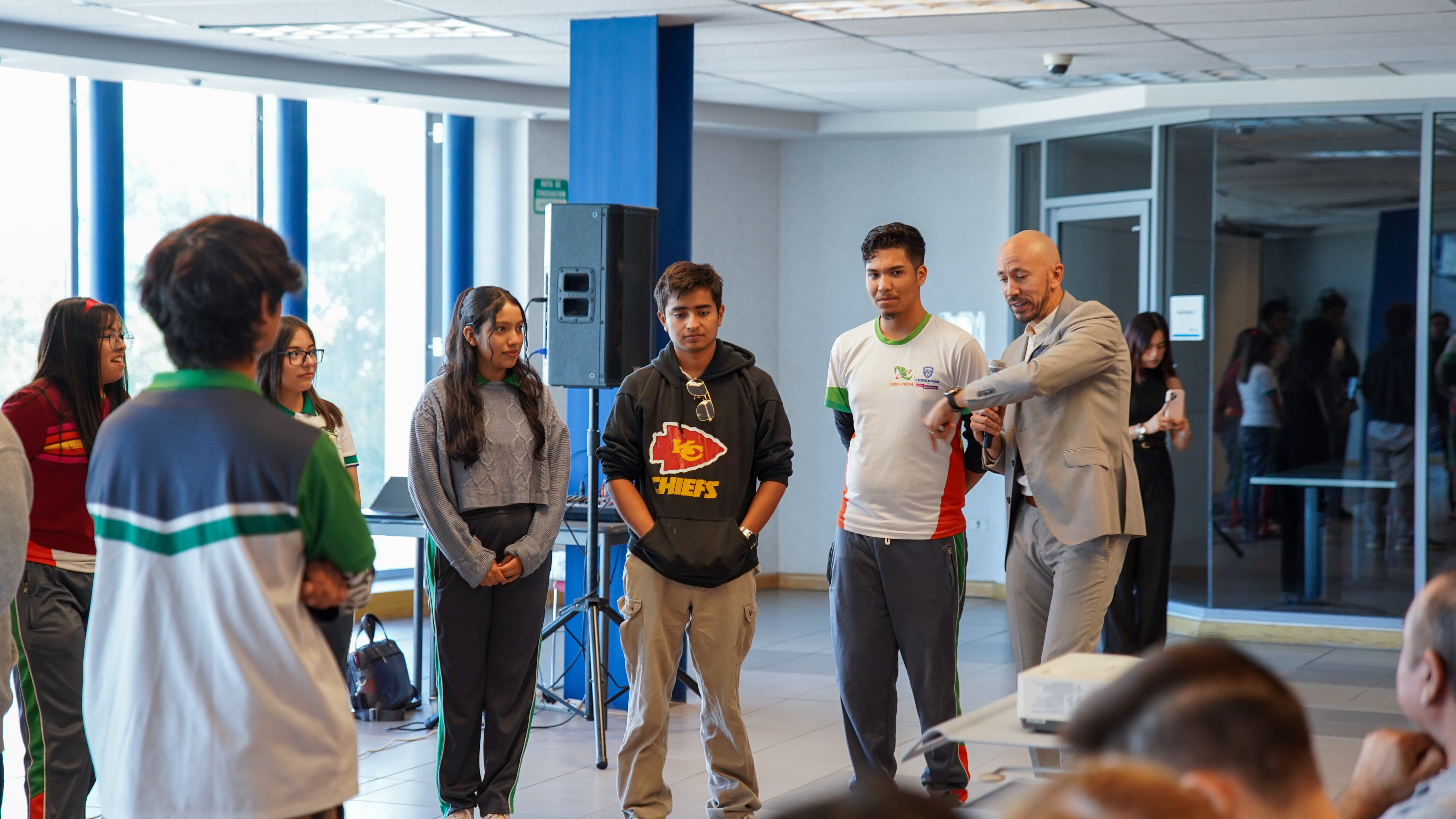
Group interaction frames are useful proof because they show AI being taught as a collaborative build medium, not just as slide-deck theory. -
Workshop activity reinforces the case's central claim: participants were expected to use tools, not merely hear about them. -
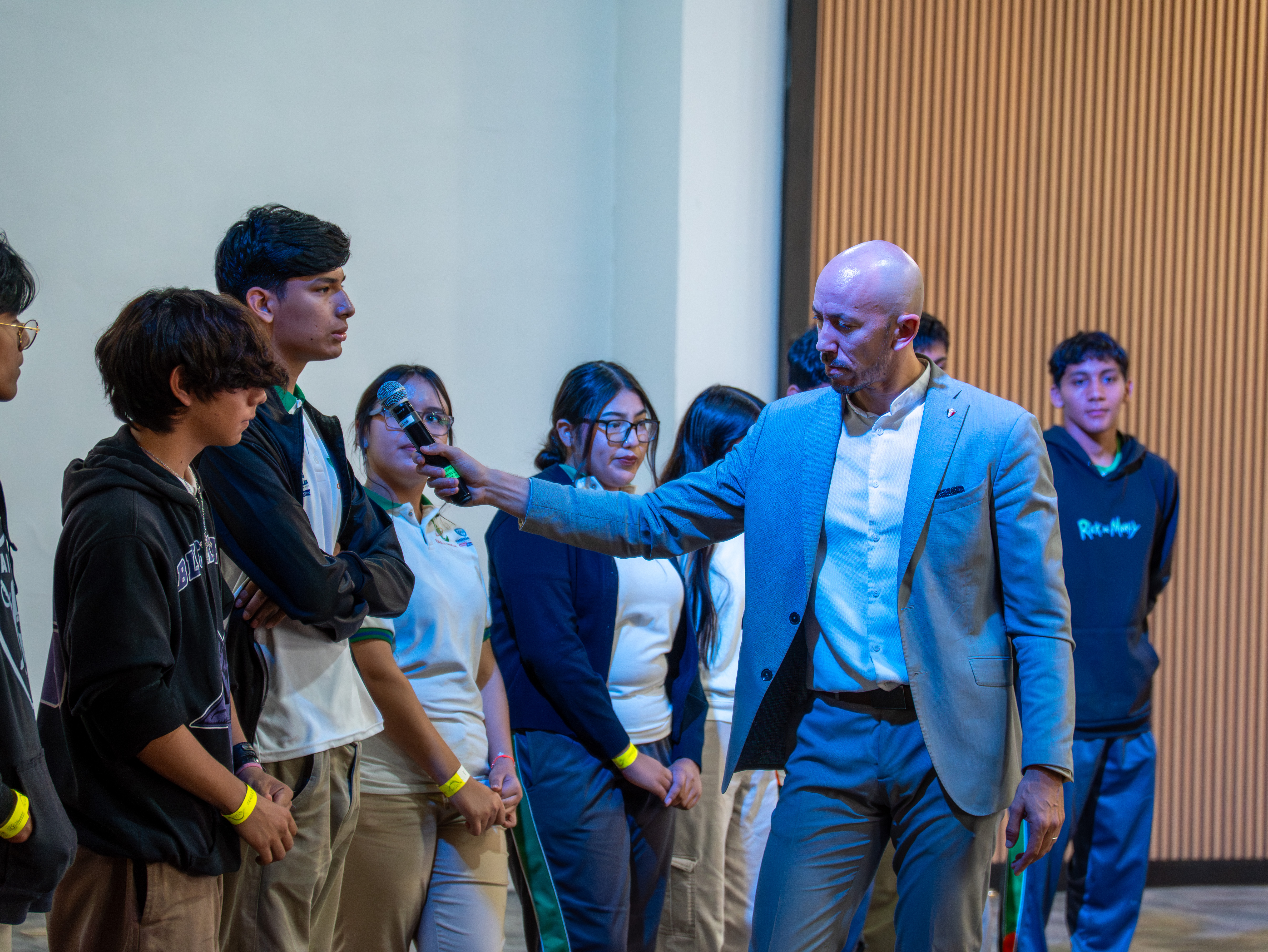
The second delivery environment helps show adaptability. The program's logic held across more than one institutional setting. -
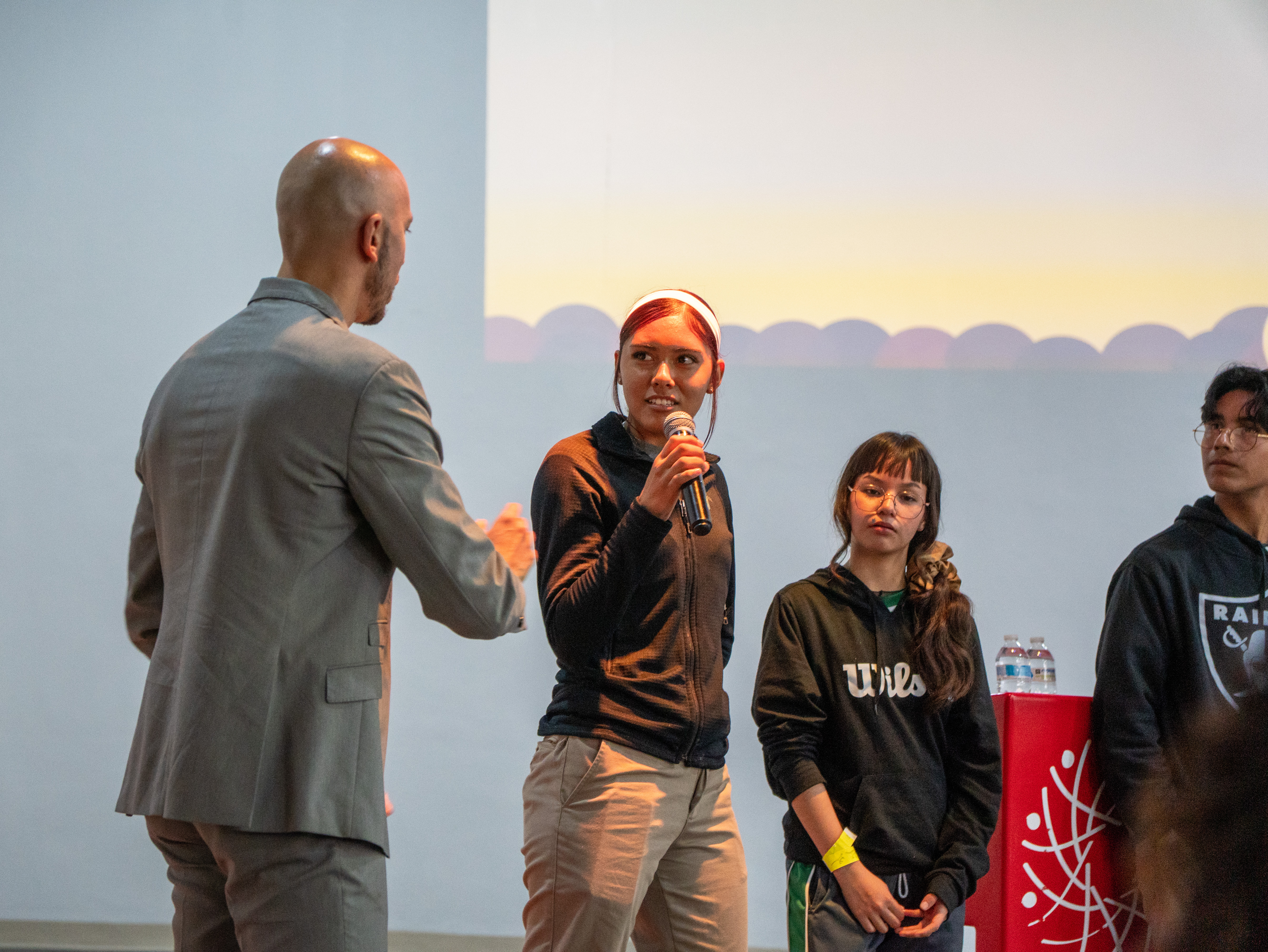
Mentor-side interactions matter because fluency programs rise or fall on facilitation quality, not only on curriculum design. -
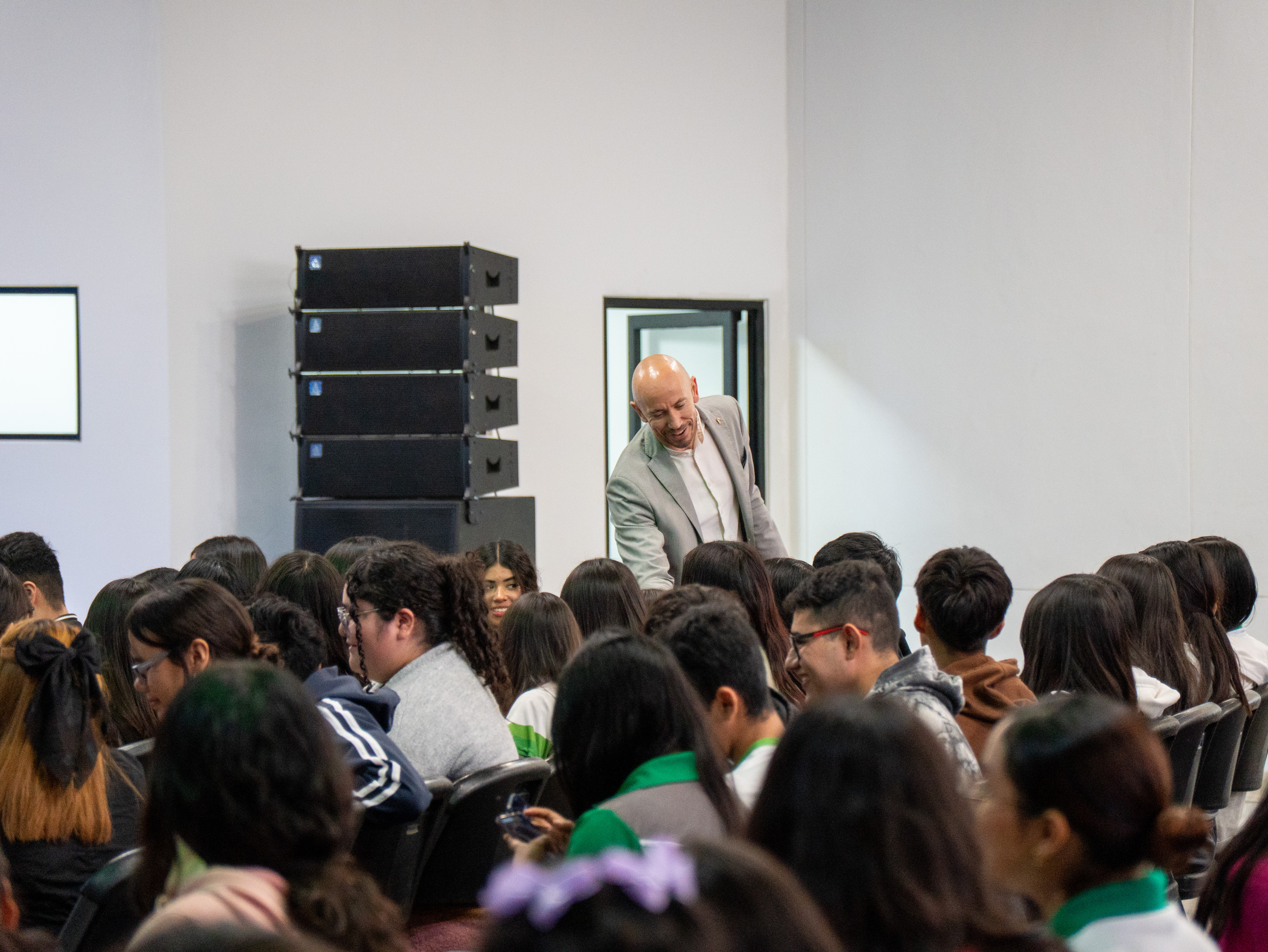
Team-wide documentation grounds the case in a real cohort outcome with identifiable participants and shared completion energy.
Slide 1 of 6
One cohort.
Visible capability shift.
The strongest result was transfer. Participants finished with a clearer sense of how AI could be used in educational and community contexts, while educators gained more than awareness: they gained a framework they could continue working with after the formal cohort ended.
That is what makes this a meaningful Innovation case. The program operated at scale, but it still produced evidence that the learning was real. It also showed external stakeholders that AI capability building can be structured, measurable, and visibly useful for regional development efforts instead of remaining a generic innovation talking point.
What this engagement reveals
about Innovation.
Innovation can design AI training for institutions that need more than inspiration. This case shows curriculum design, cohort management, facilitation, and evidence capture working together in a format that can support public-sector and education environments.
That matters for NDA's AI training work because large-scale AI training only becomes credible when the delivery model is structured enough to survive contact with real participants, real institutions, and real variation in starting skill level. It also shows NDA operating effectively with multi-actor coalitions, which is usually where public-interest capability work either scales or stalls.